
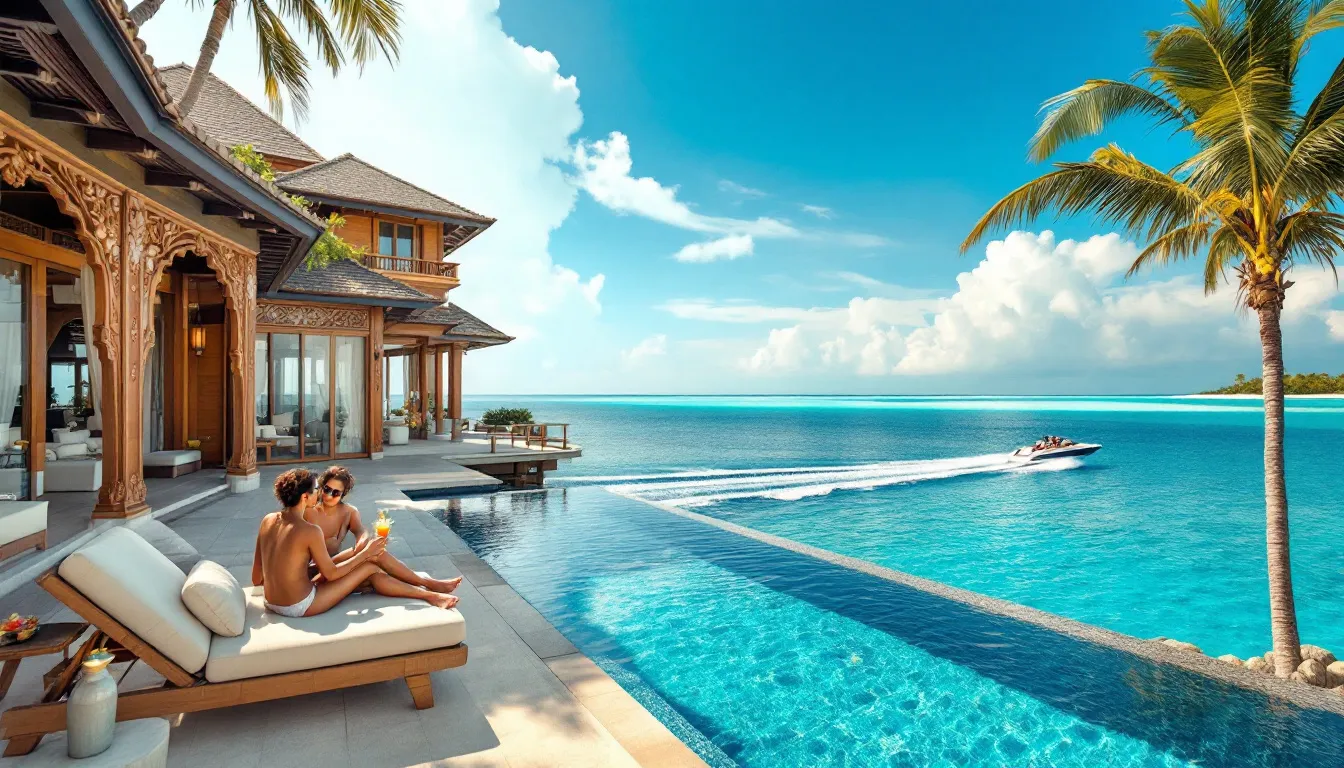
Luxury hotels used to feel intimidating.
Heavy curtains. Silent lobbies. Staff so formal you almost felt nervous touching anything. Everything looked expensive, but not necessarily comfortable. Some places practically reminded guests how much money they were spending every five minutes.
That atmosphere changed.
The best luxury hotels in the USA now understand something important: people want comfort just as much as elegance. Maybe more. Travelers still appreciate beautiful interiors and five-star service, but they also want warmth, personality, and spaces that feel human rather than performative.
And honestly, that shift made luxury travel far more enjoyable.
Because real luxury today often looks quieter than people expect.
Luxury means different things now
A few decades ago, luxury mostly meant obvious extravagance.
Huge chandeliers.
Gold accents.
Formal dining rooms.
Staff everywhere.
Now? Travelers define luxury differently depending on what they’re missing most in normal life.
Someone from a noisy city may crave silence.
A burned-out executive may value privacy more than opulence.
A couple on vacation may care more about incredible sleep than marble bathrooms.
That evolution changed how luxury hotels operate across the United States. The best properties focus less on showing off and more on creating environments where guests genuinely feel better after staying there.
That sounds simple, but it’s surprisingly hard to do well.
Service matters more than decoration
People remember how hotels make them feel.
Not just how they look.
Imagine arriving exhausted after a delayed flight. You’re tired, irritated, hungry, and questioning why you booked the trip at all. Then a hotel staff member handles check-in quickly, notices your mood without making it awkward, sends tea to the room, and somehow removes friction from the next hour completely.
That feeling stays with people.
And honestly, luxury hospitality is often just excellent problem-solving disguised as elegance.
The best hotels anticipate stress before guests fully notice it themselves.
New York luxury feels completely different from Montana luxury
One fascinating thing about luxury hotels in the USA is how regional personality shapes the experience.
Luxury in Manhattan feels energetic and polished. Rooftop bars. Skyline views. Fast-moving staff. Beautiful rooms designed for people balancing business, nightlife, and city energy simultaneously.
Luxury in Montana feels almost opposite.
Quiet mornings.
Mountain air.
Fireplaces.
Long stretches of silence.
Both experiences feel luxurious, but for entirely different emotional reasons.
That variety makes American luxury travel interesting because the country offers wildly different atmospheres depending on what travelers actually need emotionally.
People secretly pay for peace
Here’s the thing many luxury travelers won’t always say directly.
They’re often paying for mental relief.
Not just expensive sheets or designer furniture.
Peace.
Smoothness.
Quiet.
Convenience.
A beautifully designed hotel room matters partly because it reduces psychological noise. Clean spaces calm the brain. Comfortable beds improve mood. Thoughtful lighting changes energy levels more than people realize.
Imagine waking up slowly in a quiet hotel room overlooking the ocean instead of hearing traffic outside your apartment window. Even one weekend can reset stress levels surprisingly fast.
That emotional reset became one of luxury travel’s biggest selling points.
Food became central to hotel identity
Years ago, hotel restaurants often felt secondary.
Now many luxury hotels build entire reputations around dining experiences.
Celebrity chefs.
Farm-to-table menus.
Private wine tastings.
Rooftop sushi bars.
Regional ingredients.
Travelers increasingly choose hotels partly based on food quality because modern hospitality blends accommodation and lifestyle together much more than before.
And honestly, some hotel breakfasts alone justify expensive stays now.
There’s something oddly satisfying about drinking exceptional coffee slowly while sunlight hits a beautiful dining room and absolutely nobody expects anything from you yet.
That feeling matters.
Wellness changed luxury hospitality
Luxury hotels used to focus mainly on visible extravagance.
Now wellness drives much of the industry.
Spas.
Meditation spaces.
Sleep-focused rooms.
Fitness programs.
Healthy menus.
Cold plunges.
Yoga retreats.
People increasingly associate luxury with feeling physically and mentally restored rather than simply surrounded by expensive objects.
And honestly, that shift reflects broader exhaustion everywhere. Modern life feels overstimulating constantly, so travelers seek environments helping them slow down temporarily without sacrificing comfort.
Some luxury resorts almost function like emotional recovery spaces now.
Historic hotels still carry something special
Not every luxury hotel needs modern minimalism.
Some of the most memorable high-end properties in the USA are historic hotels filled with character, imperfections, and stories layered into the walls over decades.
Old architecture changes atmosphere completely.
Classic hotels in cities like New York, Boston, Charleston, or San Francisco often feel emotionally richer than newer ultra-polished properties because they carry history naturally.
Imagine walking through a hallway where famous actors, musicians, politicians, or writers stayed generations earlier. That sense of continuity creates emotional texture modern hotels sometimes struggle to replicate.
And honestly, charm matters just as much as perfection sometimes.
Privacy became more valuable than status
Luxury travelers increasingly care about discretion.
Private entrances.
Personalized check-ins.
Quiet villas.
Secluded pools.
Low-key service.
Wealthy guests often prefer environments where they can relax comfortably without constant attention or performance. That’s why many high-end hotels now emphasize privacy and personalization over flashy extravagance.
Now, let’s be honest. Most people dealing with intense schedules or public-facing careers don’t want more stimulation during vacations. They want less.
Luxury hospitality adapted to that reality quickly.
Nature-based luxury keeps growing
Some of the most impressive luxury hotels in the USA aren’t in cities at all.
They’re hidden near mountains, deserts, lakes, forests, or coastlines where the environment itself becomes part of the experience.
Luxury lodges in Wyoming.
Cliffside resorts in California.
Desert retreats in Arizona.
Coastal hideaways in Maine.
These places attract travelers seeking beauty without urban intensity constantly surrounding them.
And honestly, waking up somewhere visually peaceful changes the nervous system almost immediately. Nature-based luxury works because it combines comfort with emotional spaciousness people rarely experience daily anymore.
Technology became invisible
The smartest luxury hotels make technology feel effortless.
Lights adjust smoothly.
Room controls work intuitively.
Streaming systems function properly.
Wi-Fi never becomes stressful.
Nobody praises hotel technology when it works perfectly because invisible convenience feels natural. But when technology fails? Guests notice immediately.
That’s why modern luxury increasingly means removing friction quietly rather than overwhelming guests with unnecessary features.
The best luxury feels personal
One reason travelers return to certain hotels repeatedly is emotional familiarity.
Staff remember preferences.
Favorite drinks appear naturally.
Rooms feel recognizable.
The environment starts feeling less transactional and more comforting.
That personalization creates loyalty far beyond fancy amenities.
For example, imagine returning to a hotel where someone remembers you prefer extra pillows and late coffee service without needing reminders. Tiny details suddenly make enormous expensive properties feel surprisingly human.
And honestly, being understood comfortably feels luxurious in ways money alone can’t fully replicate.
Luxury travelers changed too
Modern luxury guests often travel differently than previous generations.
Some mix remote work with vacations.
Others prioritize experiences over formal status symbols.
Many want flexibility rather than rigid structure.
That shift influenced hotel design heavily. Luxury properties now include comfortable workspaces, relaxed social areas, wellness programming, and environments supporting longer, slower stays instead of purely formal hospitality.
The line between lifestyle and travel blurred significantly.
Final thoughts on luxury hotels in USA
Luxury hotels in USA continue evolving because travelers themselves changed emotionally.
People still appreciate beautiful design, incredible service, and unforgettable locations. But modern luxury increasingly centers around comfort, personalization, privacy, wellness, and emotional ease rather than obvious extravagance alone.
And honestly, the best luxury hotels understand something deeper than aesthetics.
They understand how people want to feel.
Rested.
Calm.
Cared for.
Inspired.
Disconnected from stress temporarily.
Whether someone stays in a historic Manhattan hotel, a quiet mountain lodge, a California coastal resort, or a desert retreat under open skies, true luxury usually comes down to one thing: creating enough comfort and peace for people to fully exhale again.