
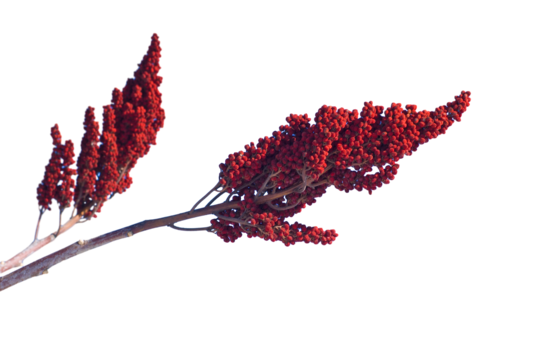
Picture a crisp autumn afternoon. The hillside is on fire — not from flames, but from the blazing red clusters of a familiar yet rarely named shrub. Birds circle the branches, pulling at the dense fruiting cones. The leaves have turned a deep, burning crimson. Most people walk right past without knowing what they are looking at.
That plant belongs to sumaksläktet — a genus of flowering plants known scientifically as Rhus — and it has been feeding, healing, and clothing human civilizations for thousands of years.
The term sumaksläktet is the Swedish botanical name for the genus Rhus, part of the Anacardiaceae family — the same plant family that gives us cashews and mangoes. It is a group that spans roughly 35 widely recognized species of shrubs, small trees, and woody vines, distributed across North America, Europe, the Mediterranean, East Asia, and parts of Africa.
What makes this genus so compelling is not just its beauty. It is the sheer range of what these plants offer — as a culinary spice, a traditional medicine, a wildlife habitat, an ecological pioneer, and a garden ornamental with genuine staying power.
This article covers everything worth knowing about sumaksläktet: its key species, identifying features, culinary and medicinal history, ecological importance, growing tips, and cultural legacy. Whether you are a gardener, a cook, a naturalist, or simply curious, by the end you will see that familiar red cluster in an entirely new way.
The Botanical Identity of Sumaksläktet
Sumaksläktet belongs to the order Sapindales and sits within the family Anacardiaceae — a diverse family that also includes pistachios, poison ivy’s distant relatives, and tropical fruits. The genus Rhus was formally described by Carl Linnaeus, and Rhus coriaria remains the designated type species.
The name Rhus itself comes from the Ancient Greek word rhous, which has historically been associated with the color red — a fitting nod to the vivid fruit clusters and autumn foliage that define so many species in this group. The word sumac, which is used in English, traces its journey back through Old French and Medieval Latin to the Arabic summāq and the Syriac summāqā, both meaning “red.”
One important point worth clarifying early: sumaksläktet should not be confused with poison sumac. Poison sumac belongs to the separate genus Toxicodendron — the same genus as poison ivy — and was reclassified away from Rhus decades ago. The key visual difference is straightforward. Poison sumac produces loose clusters of white or pale yellow berries and grows almost exclusively in wetlands and swampy conditions. True members of sumaksläktet produce dense, upright clusters of red or reddish fruits and thrive in open, dry, and well-drained habitats.
This distinction matters, especially for foragers and gardeners who encounter sumacs in the wild.
Notable Species of Sumaksläktet You Should Know
Not all sumacs are alike. The genus contains a wide range of species, each with its own personality, range, and set of uses. Here are the most important ones to understand.
Rhus typhina — Staghorn Sumac
Staghorn sumac is one of the most recognizable members of the genus. Native to eastern North America, it takes its name from the dense, velvety fuzz that covers its young branches — resembling a stag’s antlers still in velvet. It produces large, cone-shaped clusters of deep red berries and is among the most spectacular of all sumacs for autumn color. Its leaves shift through orange, gold, and brilliant red before dropping. For this reason, it has become a popular ornamental choice in European and Scandinavian gardens. Several cultivated varieties, including ‘Dissecta’ and ‘Tiger Eyes,’ offer finely cut, ferny foliage and a more compact growth habit suited to smaller spaces.
Rhus coriaria — Sicilian or Tanner’s Sumac
This is the species most people encounter when they reach for a jar of sumac spice. Native to the Mediterranean and widely cultivated across the Middle East, Rhus coriaria produces fruits that, when dried and ground, yield the dark red, tangy spice found on spice racks from Beirut to London. It is also known as tanner’s sumac because of its extraordinarily high tannin content, which made it an essential material in traditional leather production for centuries. This species is the culinary and industrial backbone of sumaksläktet.
Rhus glabra — Smooth Sumac
Smooth sumac holds a distinction no other North American plant can claim — it is the only sumac species native to all 48 contiguous states. Compact and adaptable, it was used extensively by Native American tribes for both food and medicine. Its berries make an excellent cold-water infusion that tastes remarkably similar to lemonade — a drink sometimes called “sumac lemonade” or “Indian lemonade.” It is also one of the most effective species for soil stabilization and erosion control.
Rhus aromatica — Fragrant Sumac
This low-growing, spreading shrub blooms early in spring with clusters of small yellow flowers that often appear before the leaves do. When the leaves are crushed, they release a distinctive aromatic scent — which can be pleasant or sharp depending on who you ask. Its compact, sprawling habit makes it a natural choice for ground cover and slope stabilization in dry, rocky, or sandy soils. It is widely used in native plant restoration projects across North America.
Rhus chinensis — Chinese Sumac
Widely used in East Asian traditional medicine and industry, Rhus chinensis is the primary source of Chinese galls — abnormal plant growths caused by insects that are harvested for their exceptionally high gallic acid content. Chinese galls have applications in pharmaceuticals, inks, and industrial chemistry. The plant itself has been studied for antioxidant and antimicrobial properties, and it remains an important species in the broader pharmacological interest in sumaksläktet.
How to Identify a Plant from Sumaksläktet
If you want to identify a sumac in the wild or in a garden, there are several reliable features to look for. Once you know what to look for, the genus becomes unmistakable.
Compound Leaves
Most species carry pinnately compound leaves — meaning each leaf is made up of multiple smaller leaflets arranged in pairs along a central stem, with a single terminal leaflet at the tip. This gives sumac foliage its signature feathery, almost fern-like appearance. The leaflets are usually serrated along their edges.
Fruit Clusters — The Sumac Bob
The most distinctive feature of sumaksläktet is its fruit. Small, berry-like drupes grow in dense, upright clusters at the tips of branches. These clusters — sometimes called sumac bobs — are typically deep red, though some species produce orange or purple-tinged fruits. The surface of the fruit is usually covered in fine hairs, which give it a slightly fuzzy texture. These clusters can persist on the plant well into winter, making them easy to identify even after leaf drop.
Flowers
Sumac flowers are small and easy to overlook individually, but they are produced in dense panicles or spike-like clusters that can be quite showy as a whole. Depending on the species, flower color ranges from greenish to creamy white to pale red. Many species bloom in spring or early summer.
Autumn Color
This is sumaksläktet’s headline act for gardeners. The foliage transforms into some of the most vivid autumn color of any temperate shrub — deep scarlets, burning oranges, and golden yellows, often all present on the same plant at the same time.
Growth Habit and Spread
Plants in the genus range from low ground-covering shrubs barely reaching knee height to small trees pushing 10 meters tall. Many species spread vigorously through underground rhizomes, forming large clonal colonies that can cover considerable ground over time. This is worth knowing before planting in a small garden.
From Spice Rack to Table — The Culinary World of Sumaksläktet
Long before lemons arrived in European kitchens, sumac was the souring agent of choice across much of the ancient world. Its use as a culinary ingredient stretches back thousands of years, and in the Middle East, it never went away.
The species responsible for most culinary sumac is Rhus coriaria. The ripe berries are harvested, dried, and then coarsely ground into a deep burgundy powder with a flavor profile that is tart, fruity, slightly astringent, and faintly earthy. It is one of the most distinctive spices in the world.
Traditional and Modern Kitchen Uses
In Middle Eastern and Mediterranean cuisines, ground sumac is used in ways both obvious and subtle. It is a core ingredient in za’atar — the popular spice blend that also contains thyme, sesame, and salt — and it is sprinkled generously over fattoush salad, where it provides the characteristic sharpness. It seasons kebabs, rice dishes, and roasted vegetables. A simple bowl of hummus topped with good olive oil and a pinch of sumac is one of the most effortless combinations in cooking.
In North American Indigenous traditions, Rhus glabra and Rhus typhina berries were steeped in cold water to create a refreshing, tart drink. The resulting beverage, sometimes called sumac lemonade or Indian lemonade, is genuinely delicious — naturally rich in vitamin C and surprisingly elegant in flavor.
Contemporary chefs across Europe and North America have rediscovered sumac as a finishing spice. It works beautifully on roasted cauliflower, grilled fish, and yogurt-based dips. It is also used as a natural souring agent in salad dressings in place of vinegar or lemon juice.
Nutritional Value
Beyond flavor, sumac berries carry real nutritional weight. They are rich in vitamin C, polyphenols, tannins, and flavonoids. Studies have identified compounds including gallic acid, ellagic acid, quercetin, and rutin — all of which have documented antioxidant activity. As a low-calorie seasoning with functional food potential, it is hard to think of a spice with a stronger nutritional argument.
The Healing Side of Sumaksläktet — Traditional Uses and Modern Science
Sumaksläktet has a long and well-documented history in traditional medicine across multiple continents. What is striking is how consistently different cultures, working independently of one another, arrived at similar conclusions about these plants.
Traditional Medicinal Applications
Native American tribes used Rhus glabra to treat bacterial infections including syphilis, gonorrhea, and dysentery. Teas brewed from sumac berries or bark were used to soothe sore throats, aid digestion, and reduce fever. The plant’s astringent properties made it useful for oral health as well. In Middle Eastern and Mediterranean folk medicine, Rhus coriaria was used for wound healing, appetite stimulation, and as an antidiarrheal remedy. In Iraq, it was traditionally applied for a wide range of complaints, from antimicrobial treatments to metabolic conditions. In East Asia, Rhus chinensis and related species have been used in herbal formulations for centuries.
What Research Tells Us Today
Modern pharmacology has begun to validate what traditional healers observed through experience. Studies on Rhus coriaria extracts have documented antimicrobial, antifungal, antiviral, anti-inflammatory, antioxidant, and hypoglycemic effects. Research suggests potential benefits for cardiovascular health and blood sugar regulation. Rhus javanica has been studied specifically for antiherpetic activity, showing significant results in animal models when used alongside antiviral medications.
The phytochemical profile of sumac is impressively rich. Fruits and leaves contain phenolic acids such as gallic acid, ellagic acid, caffeic acid, and chlorogenic acid. Flavonoids including quercetin, rutin, kaempferol, luteolin, and apigenin have all been identified. Anthocyanins including cyanidin and delphinidin contribute both antioxidant activity and the plant’s characteristic deep color.
It is important to note that while the evidence is encouraging, medicinal use of sumac extracts is not without caution. People who are allergic to cashews, mangoes, or other members of the Anacardiaceae family may experience cross-reactions. Medicinal use is not recommended during pregnancy or breastfeeding without professional guidance, and it should not replace prescribed medical treatment.
Why Sumaksläktet Matters to the Ecosystem
Beyond its uses for humans, sumaksläktet plays a meaningful role in the ecosystems it inhabits. These are not passive background plants — they are active participants in the landscape.
Pioneer Species and Soil Stabilizers
Many sumac species are pioneer plants — meaning they are among the first to colonize disturbed ground. After wildfires, road construction, or land clearing, sumacs often establish quickly, covering bare soil and beginning the process of ecological succession. Their deep, spreading root systems and aggressive rhizome growth make them excellent at preventing soil erosion on slopes and degraded land.
Wildlife Habitat and Biodiversity Support
The dense red fruit clusters of sumaksläktet are a critical winter food source for wildlife. Birds including cedar waxwings, American robins, bluebirds, and wild turkeys actively seek out sumac fruit clusters when other food is scarce. Small mammals including rabbits and squirrels also feed on sumac fruits and bark. In spring, the flowers attract native bees, butterflies, and other pollinators. The thickets created by clonal colonies provide nesting sites and shelter for a wide range of wildlife. In terms of ecological contribution per square meter, few shrubs outperform the sumac.
Sumaksläktet in Sustainable Landscaping
As sustainable gardening practices gain ground, sumaksläktet is increasingly being recommended as a low-maintenance, high-value landscape plant. Once established, most species are remarkably drought-tolerant. They ask for little and give back a great deal — autumn color, wildlife habitat, erosion control, and year-round visual interest from their fruit clusters. Native plant advocates in both North America and Northern Europe have been promoting sumac species as alternatives to high-maintenance ornamentals that require frequent irrigation and chemical inputs.
How to Grow and Care for Plants from Sumaksläktet
Growing sumaksläktet is genuinely straightforward, which makes it accessible to gardeners of all experience levels. These plants evolved to handle difficult conditions, and they rarely disappoint.
General Growing Conditions
Most sumac species prefer full sun, though they can tolerate partial shade. They are highly adaptable when it comes to soil — tolerating poor, dry, rocky, and sandy conditions with ease. Good drainage matters more than soil fertility. They are not plants that need pampering or rich compost; in fact, overly fertile soil can encourage excessive spreading.
Propagation
Sumacs can be propagated from seed, though the seeds require cold stratification before they will germinate. The easiest method for most home gardeners is to divide and transplant rooted suckers — the new shoots that emerge from the root system around an established plant. These transplant readily and establish quickly.
Managing Spread
This is the one aspect of growing sumaksläktet that requires some planning. Many species spread aggressively through rhizomes, and a single plant can become a sizeable colony within a few years. In large gardens or naturalistic settings, this is a feature. In smaller or more formal gardens, installing a root barrier at planting time will help keep things contained. Regular removal of unwanted suckers in spring is also effective.
Pruning
Pruning is best carried out in late winter or early spring before new growth emerges. Heavy pruning encourages vigorous regrowth and can actually reinvigorate older plants. For ornamental varieties grown for foliage effect, some gardeners cut plants back hard every two or three years to promote large, fresh leaves.
Best Species for Different Purposes
For the most spectacular autumn color, Rhus typhina is the obvious starting point. For ground cover on difficult slopes, Rhus aromatica is hard to beat. For those interested in culinary experimentation, dried Rhus coriaria spice is widely available from quality food suppliers, while the plant itself grows well in warmer Mediterranean-type climates.
Beyond the Garden — The Industrial and Cultural Legacy of Sumaksläktet
The practical uses of sumaksläktet extend well beyond cooking and gardening into the history of industry and culture.
Leather tanning is perhaps the oldest industrial application. Rhus coriaria contains among the highest concentrations of tannins found in any plant, making it invaluable in traditional leather-making across the Mediterranean and Middle East. Hides treated with sumac tannins produce soft, light-colored leather with excellent durability — a product prized in bookbinding and fine leatherwork.
The same tannin-rich properties made sumac leaves and bark useful in textile dyeing, producing colors ranging from yellow and gold to deep brown and black depending on the mordant used. Historically, it served as a source of ink for manuscript production in parts of the Mediterranean world.
Chinese galls, produced on Rhus chinensis by the activity of aphid-like insects, are harvested commercially for their gallic acid content. Gallic acid derived from these galls is used in pharmaceutical manufacturing, food preservatives, and the production of inks and dyes. This represents a surprisingly significant commercial application of a genus that most people associate purely with autumn color.
Culturally, sumac holds real significance. In many Indigenous North American traditions, sumac branches, berries, and bark carried ceremonial as well as practical importance. In Middle Eastern culinary culture, sumac spice carries social prestige — it is the kind of ingredient that signals care and knowledge in the kitchen. In Scandinavian and Northern European gardens, sumaksläktet has become a symbol of low-maintenance, nature-forward planting philosophy.
Frequently Asked Questions About Sumaksläktet
1. What does sumaksläktet mean? Sumaksläktet is the Swedish botanical term for the genus Rhus — the group of flowering plants commonly known as sumac. It translates roughly to “the sumac genus” and covers roughly 35 recognized species of shrubs and small trees within the family Anacardiaceae.
2. Is sumaksläktet the same as poison sumac? No. Poison sumac belongs to a separate genus called Toxicodendron and is not a true member of sumaksläktet. The easiest way to tell them apart is by the fruit — true sumac has dense red clusters, while poison sumac has loose clusters of white or pale berries.
3. Which species of sumaksläktet is used as a spice? Rhus coriaria, commonly known as Sicilian or tanner’s sumac, is the primary culinary species. The dried, ground berries produce the tangy, dark red spice used extensively in Middle Eastern and Mediterranean cooking.
4. Are all species of sumaksläktet edible? Not all species are used as food, but none of the true Rhus species are considered toxic to humans. The most widely consumed species are Rhus coriaria (as a spice) and Rhus glabra and Rhus typhina (for making sumac drinks).
5. How do I use sumac spice in cooking? Ground sumac can be used as a finishing spice sprinkled over salads, grilled meats, roasted vegetables, and dips. It works well as a souring agent in place of lemon juice or vinegar, and it is a key ingredient in the popular Middle Eastern spice blend za’atar.
6. What are the health benefits of plants in sumaksläktet? Research has identified antioxidant, anti-inflammatory, antimicrobial, and potential blood sugar-regulating properties in sumac extracts. The berries are rich in vitamin C, polyphenols, flavonoids, and tannins. However, these are not replacements for medical treatment, and anyone with allergies to cashews or mangoes should use caution.
7. How do plants in sumaksläktet benefit wildlife? Sumac fruit clusters are a critical winter food source for birds and small mammals. The plants support native pollinators in spring and their thickets provide nesting and shelter habitat. They are among the most wildlife-friendly shrubs in temperate landscapes.
8. Is sumaksläktet easy to grow in a garden? Yes. Most species are hardy, drought-tolerant once established, and adaptable to a wide range of soils. The main consideration is managing their tendency to spread via underground rhizomes, which can be controlled with root barriers or regular removal of suckers.
9. What is the best sumaksläktet species for autumn garden color? Rhus typhina (staghorn sumac) and its cultivars such as ‘Dissecta’ and ‘Tiger Eyes’ are considered the most spectacular for autumn foliage, producing vivid reds, oranges, and golds. They are widely available at garden centers across Northern Europe and North America.
10. Can sumaksläktet be used in traditional medicine at home? While sumac has a long history of traditional medicinal use, it should be approached with care at home. Sumac berry tea has been used historically for sore throats and digestion, but anyone with Anacardiaceae allergies, pregnant women, or those on medication should consult a health professional before using it medicinally.
Conclusion — Sumaksläktet: A Genus That Deserves More Attention
Come back to that autumn hillside. The crimson clusters. The birds. The leaves burning orange and red. Now you know what you are looking at — and you know that what you are seeing is just the surface of something far deeper.
Sumaksläktet — the genus Rhus — is a group of plants with a story that runs through the spice routes of the ancient world, the medicine traditions of Indigenous cultures, the leather workshops of the Mediterranean, and the ecological recovery of disturbed landscapes across three continents.
It feeds people. It heals people. It holds hillsides together. It shelters wildlife through winter. And it does all of this while putting on one of the finest autumn displays of any plant in the temperate world.
In an era that increasingly values sustainability, functional food, plant-based remedies, and native gardening, sumaksläktet fits perfectly into the conversation. These are plants whose time, in many ways, has come again.
Whether you start by picking up a jar of sumac spice at a Middle Eastern grocery, planting a staghorn sumac at the back of your garden, or simply learning to recognize the red clusters on a country walk — the genus Rhus rewards attention. Get to know it. You will not regret it.