
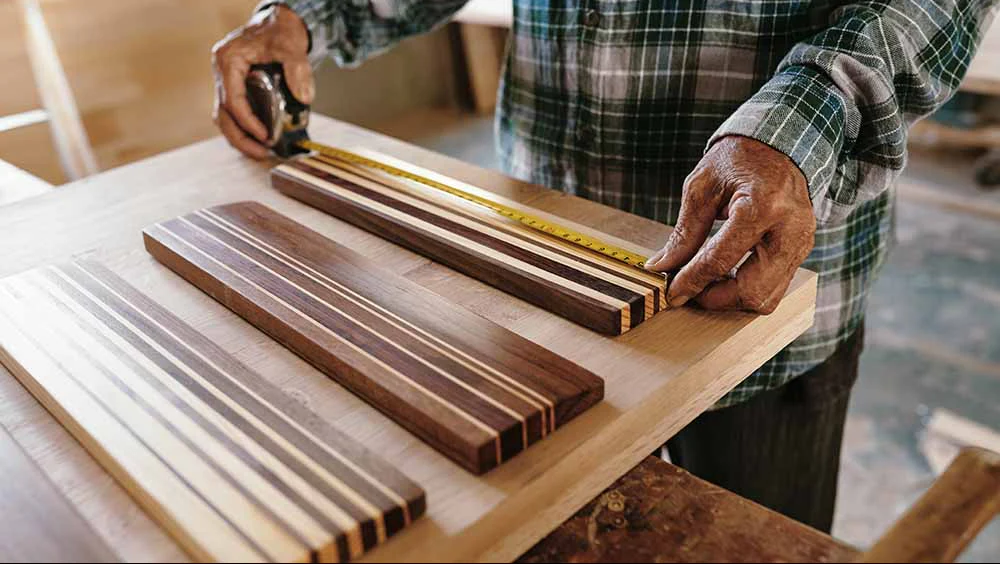
A good cutting board quietly becomes one of the most-used tools in a kitchen.
You chop vegetables on it. Slice bread. Prepare meals. Maybe even serve cheese or snacks when friends come over. It sits there every day, taking the impact of knives, heat, moisture, and constant use.
That’s why choosing the best wood for a cutting board matters more than many people realize.
Not all wood behaves the same way. Some types handle knife marks better. Some resist moisture. Others look beautiful but need extra care. The right choice depends on how you cook and what you expect from your board.
A beginner might pick based only on appearance. A more experienced cook usually thinks about durability, maintenance, and how the board feels after years of use.
The best cutting board wood is the one that fits your kitchen habits.
What Makes Wood Good for a Cutting Board?
Before comparing wood types, it helps to understand what actually matters.
A cutting board needs to be hard enough to last but not so hard that it destroys your knives. Extremely soft woods can develop deep cuts quickly, while very hard materials may dull blades faster.
The grain structure matters too.
Dense, tight-grained woods are usually preferred because they absorb less moisture. That means fewer chances of warping, cracking, or holding onto unwanted odors.
Imagine cutting juicy tomatoes on a board that has tiny gaps and deep knife marks everywhere. Over time, those spaces become harder to clean. A quality hardwood surface handles that daily abuse much better.
Another factor is how the wood reacts to water. Cutting boards need regular washing, but they don’t enjoy sitting wet for long periods.
Good wood, proper care, and smart use all work together.
Maple: The Classic Kitchen Favorite
When people talk about the best wood for cutting boards, maple is often near the top of the list.
Hard maple, sometimes called sugar maple, has been a popular choice for generations. There’s a reason professional kitchens and home cooks both like it.
It has a fine, closed grain that helps resist moisture. It’s hard enough to withstand daily chopping but still friendly to your knife edge.
The appearance is another advantage. Maple has a clean, light color that fits almost any kitchen style. It doesn’t compete with the food sitting on top of it.
A maple board feels traditional. It’s the kind of tool that can stay in a kitchen for decades.
The downside? It’s not the cheapest option, especially for large butcher-block style boards. But for many people, the longevity makes the investment worthwhile.
Walnut: Beauty Meets Function
Walnut is another excellent choice, especially for people who want a cutting board that looks as good as it performs.
Its rich brown color gives it a premium appearance. A walnut cutting board can almost look like furniture sitting on your countertop.
But it isn’t just about looks.
Walnut is durable enough for regular kitchen work while being slightly softer than maple. Some cooks like that because it’s gentler on knives.
The darker color also hides stains well. If you regularly work with ingredients like berries, spices, or colorful vegetables, walnut can keep a cleaner appearance over time.
There is one thing to consider: walnut can be more expensive, and some people prefer not to use beautiful boards for heavy chopping. They save them for serving.
Personally, that depends on the board. A well-made walnut cutting board deserves to be used, not just admired.
Cherry Wood: Warm and Practical
Cherry wood has a different personality.
It starts with a warm reddish tone that deepens naturally as it ages. Over time, exposure to light gives it a richer color.
For a kitchen that feels cozy and lived-in, cherry can be a great fit.
It’s slightly softer than maple and walnut, making it gentle on knives. It also has a smooth texture that feels pleasant when cutting.
The tradeoff is that softer wood can show marks more easily. That doesn’t necessarily mean it’s failing. Some knife marks are simply part of a cutting board’s story.
A wooden board that gets used develops character.
Cherry is a good choice for someone who values appearance, comfort, and a board that changes beautifully over time.
Teak: Naturally Moisture Resistant
Teak is popular for many woodworking projects because it naturally contains oils that help it handle moisture.
That quality makes it interesting as a cutting board material.
A teak cutting board is less likely to struggle with occasional water exposure compared with some other woods. It’s also durable and has an attractive golden-brown appearance.
However, teak contains more silica than many other hardwoods. Over time, that can be slightly tougher on knife edges.
It’s not a deal breaker, but it’s worth knowing.
Teak works well for people who want a low-maintenance board and appreciate its natural resistance to moisture.
Bamboo: A Popular Alternative
Bamboo is often grouped with wooden cutting boards, although technically it’s a grass.
It became popular because it grows quickly and is considered a more renewable material choice.
Bamboo boards are usually affordable, lightweight, and easy to find.
They can work well in everyday kitchens, but they have differences compared with traditional hardwoods.
Many bamboo boards are made by compressing strips together with adhesives. The quality depends heavily on the manufacturer.
Some bamboo surfaces are quite hard, which can be rougher on knives.
For casual cooking, bamboo can be perfectly fine. For someone who cooks every day and wants a board that lasts decades, hardwood may be the better route.
End Grain vs Edge Grain: Does It Matter?
The type of construction matters almost as much as the wood itself.
End grain boards are made so the wood fibers face upward. When you cut on them, the knife slides between the fibers instead of directly across them.
This design is popular because it can be gentler on knives and may hide knife marks better.
Edge grain boards are made from long strips of wood placed side by side. They’re strong, practical, and usually less expensive.
Both styles can be excellent.
An end grain maple board might last a lifetime, but a well-made edge grain walnut board can also perform beautifully.
The best choice often comes down to budget and preference.
Woods to Avoid for Cutting Boards
Not every type of wood belongs in the kitchen.
Softwoods like pine can be problematic because they dent and scratch easily. Those deep marks create more cleaning challenges.
Very porous woods can also be less ideal because they may absorb moisture more quickly.
Exotic woods require extra consideration too. Some may contain natural compounds that aren’t suitable for food contact.
A beautiful piece of wood doesn’t automatically make a good cutting surface.
Kitchen tools need both style and practicality.
Taking Care of a Wooden Cutting Board
Even the best wood needs care.
A cutting board isn’t a decoration. It’s a working surface.
After use, wash it with warm water and mild soap. Avoid soaking it in the sink because prolonged moisture can cause problems.
Dry it standing upright or on its side so air can move around it.
Every so often, apply food-safe mineral oil to keep the wood from drying out.
This small habit makes a huge difference.
A neglected cutting board can crack. A cared-for board can become something you keep for years.
Choosing the Right Board for Your Kitchen
There isn’t one perfect cutting board for everyone.
Someone who cooks large meals every night may want a heavy maple butcher block.
Someone with a smaller kitchen may prefer a lighter walnut or cherry board.
A person who mainly chops vegetables has different needs from someone who breaks down meat.
Think about your routine.
Do you want something that can handle serious prep work?
Do you care about matching your kitchen style?
Are you willing to maintain the board?
Those answers will guide you toward the right wood.
Final Thoughts
The best wood for a cutting board combines durability, knife-friendly performance, and a look that fits your kitchen.
Maple remains a dependable classic. Walnut brings beauty and balance. Cherry adds warmth and character. Teak offers moisture resistance. Bamboo provides an accessible alternative.
The important thing is not finding the most expensive option.
It’s choosing a board that you’ll actually use.
A cutting board becomes part of your daily rhythm. It holds the marks of meals cooked, recipes tested, and moments shared.
Pick good wood, take care of it, and it can become one of those simple kitchen tools you never want to replace.