
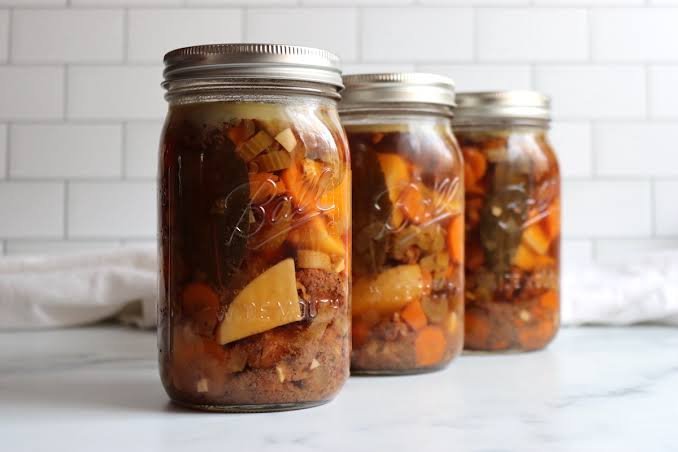
There is a special kind of relief that comes from opening the pantry on a long, tiring day and finding a can of beef stew sitting there. No chopping. No simmering for hours. Just heat and eat. For millions of households, canned beef stew has earned its spot as a dependable backup meal, and for good reason.
But there is more to this pantry staple than most people realize. How healthy is it really? How do you pick a good one off the shelf? Can you freeze it once it is opened? And is it even possible to make your own at home safely? This guide answers all of that in plain, simple language, without the fluff.
By the end, you will know exactly how to buy smarter, store it properly, stretch your leftovers, and turn a basic can into something that tastes like it simmered on your stove all afternoon.
What Is Canned Beef Stew, Exactly?
At its core, this is a fully cooked meal sealed inside a can. It usually contains tender chunks of beef, potatoes, carrots, and sometimes peas or onions, all sitting in a thick gravy or savory broth. The entire mixture is cooked, sealed, and heat-processed so it stays shelf-stable for years without refrigeration.
This is different from homemade stew in a few clear ways. Homemade stew gives you full control over the ingredients, the seasoning, and the texture. The canned version trades some of that control for speed and convenience. You are not simmering anything for two hours. You are opening a can and warming it up.
That trade-off is exactly why this dish has stayed popular for decades. It works for busy weeknights, road trips, camping meals, and emergency food supplies. When the power goes out or the fridge is empty, a shelf-stable can is often the easiest meal in the house.
Common Ingredients Found in a Beef Stew Can
Most brands follow a similar formula, even if the exact ratios differ. A typical beef stew can usually includes the following:
Beef chunks, which are pre-cooked and tender by the time they reach your bowl. Potatoes, cut into bite-sized pieces. Carrots, often sliced into rounds or small chunks. Peas or green beans, depending on the brand. A gravy or broth base, which can range from thin and savory to thick and rich.
Some brands add onions, celery, or a touch of tomato for extra depth. Ingredient lists vary, so it is always worth a quick glance at the label before you buy, especially if you are watching sodium or trying to avoid specific additives.
Is Canned Beef Stew Healthy? A Look at the Nutrition Facts
This is the question most people actually want answered before they toss a few cans into their cart. The short answer is that it can fit into a healthy diet, but it comes with a few things worth knowing.
A typical one-cup serving delivers around 200 to 230 calories, along with a solid 10 grams of protein. That protein comes from real beef, which also brings iron and B vitamins like niacin and B6 into the mix. Many varieties are a good source of vitamin A as well, thanks to the carrots blended in. Fiber content is modest, usually landing between 3 and 5 grams per serving, depending on the brand.
The bigger concern is sodium. Canned goods rely on salt as part of the preservation process. A single serving can easily carry several hundred milligrams, and since most cans contain closer to two servings, eating the whole can in one sitting can use up a significant chunk of your daily sodium limit. The American Heart Association recommends keeping daily intake well below 1,500 to 2,300 milligrams, so this is worth watching if you manage blood pressure or just want to eat a bit cleaner.
Fat content also varies. Some brands keep things lean, while others lean into a richer gravy with more saturated fat per serving. Reading the label before buying is the simplest way to compare options.
The good news is that most formulations are naturally gluten-free, since the core ingredients are beef, potatoes, and vegetables. Double-check the label if you have a gluten sensitivity, since thickeners can sometimes sneak gluten into the mix.
How It Compares to Homemade Beef Stew
Homemade beef stew almost always wins on nutrition, simply because you control every ingredient that goes into the pot. You decide how much salt to add, what cut of beef to use, and how many vegetables to throw in.
The canned version cannot match that level of customization, but it makes up for it in convenience. There is no chopping, no browning meat, and no standing over a stove for hours. The vegetables and beef inside the can were cooked and sealed near their peak freshness, even if the texture softens a bit during processing.
In short, homemade wins on nutrition and flavor control. Canned wins on speed and shelf stability. Most households end up relying on both, depending on the day.
How to Choose the Best Canned Beef Stew for Your Pantry
Not all canned stew is created equal, and a few small checks at the grocery store make a real difference in quality. Start with the ingredient list. If beef is listed first, that is generally a good sign, meaning the can is built around real meat rather than fillers or excessive thickeners.
Next, glance at the sodium percentage on the nutrition panel. Lower is almost always better. You can always add a pinch of salt at home if a stew tastes flat, but you cannot remove sodium once it is already in the can.
Texture matters too. Some brands use a chunk-style cut of beef that holds its shape, while cheaper options rely on shredded or minced meat that can feel mushy. If a brand has disappointed you before on texture, try a different one next time.
Finally, pay attention to the liquid itself. A lighter broth tends to have a cleaner, more natural flavor, while a heavier gravy can sometimes mask lower-quality ingredients with extra salt, sugar, or starch. Neither option is inherently wrong, but knowing the difference helps you choose based on what you actually want for dinner.
Reading the Label: Sodium, Ingredients, and Serving Size
Serving sizes on the label can be a little misleading if you are not paying attention. Most cans list a serving size of around two-thirds to one cup, which means a standard can usually holds close to two servings.
If you plan on eating the entire can in one meal, which most people do, you need to double the numbers listed on the label to get an accurate picture of your actual calorie and sodium intake. This simple step gets overlooked constantly, and it can make a noticeable difference if you are tracking your nutrition closely.
When comparing two different brands side by side, always compare based on the same serving size. Otherwise, you might think one option is healthier when it is really just listing a smaller portion.
How to Make Canned Beef Stew Taste Homemade
This is where this pantry staple really shines once you know a few simple tricks. Straight out of the can, it can taste a little flat or one-dimensional. With a handful of easy additions, you can transform it into something that tastes like it has been simmering for hours.
Start by warming it slowly on the stove rather than blasting it in the microwave. A gentle simmer for ten to fifteen minutes gives the flavors time to meld and lets any added ingredients soften properly. While it simmers, toss in a sprig of fresh thyme or a pinch of dried rosemary. These herbs pair beautifully with beef and instantly make the dish smell and taste more like a slow-cooked meal.
A splash of Worcestershire sauce adds a deep, savory note most canned versions are missing. If you have red wine on hand, a small splash while it simmers can round out the flavor further, though this step is optional. A dash of black pepper and a pinch of garlic powder also wake up the seasoning without overpowering the dish.
For texture, frozen peas, corn, or green beans stirred in during the last few minutes add freshness and color. For a heartier meal, a handful of cooked lentils or barley boosts the fiber while making the stew feel more substantial. Finish with fresh parsley or chives right before serving for a cleaner finish.
Serve it over rice, alongside warm crusty bread, or as a filling for a quick pot pie. Each of these simple swaps takes a basic can and turns it into a meal that feels intentional rather than rushed.
Quick Add-Ins to Upgrade a Can of Beef Stew
If you are short on time, here are the fastest ways to elevate it without much extra effort. Fresh or dried herbs like thyme, rosemary, or parsley add an instant homemade aroma. Worcestershire sauce or a splash of balsamic vinegar deepens the savory flavor. Frozen vegetables like peas, corn, or green beans add freshness and texture in minutes. A handful of cooked beans, lentils, or barley adds fiber and bulk. Black pepper, garlic powder, or smoked paprika wake up the overall seasoning.
None of these additions take more than a few minutes, but together they make a noticeable difference in the final bowl.
Can You Freeze Beef Stew? Storage Tips for Leftovers
Yes, you absolutely can freeze beef stew, whether it started in a can or came together from scratch on your stove. Freezing is one of the easiest ways to avoid wasting leftovers and gives you a ready-made meal for a future busy night.
The key to freezing successfully starts with cooling it properly first. Let the stew cool to room temperature, ideally within two hours of cooking or opening the can, before transferring it to the freezer. Leaving it out longer gives bacteria a chance to grow, so do not skip this step.
Once cooled, portion the stew into airtight, freezer-safe containers or heavy-duty freezer bags. Leave about an inch of space at the top of rigid containers, since the stew will expand slightly as it freezes. Freezer bags work well too, especially if you lay them flat on a baking sheet before freezing. This saves space and helps the stew thaw faster later on.
Label each container with the date before it goes into the freezer. For the best flavor and texture, try to use it within two to three months. It will technically remain safe to eat well beyond that if your freezer stays at a consistent zero degrees Fahrenheit, but the texture and flavor will decline the longer it sits.
One small tip worth knowing: if your stew includes potatoes or a thickened gravy, the texture can change slightly after freezing and thawing. Potatoes sometimes turn a bit grainy, and thickened sauces can separate. If freezing a big batch you cooked yourself, consider holding off on the potatoes and thickener until you are ready to reheat and serve.
How to Thaw and Reheat Frozen Beef Stew Safely
The safest way to thaw it is to move it from the freezer to the refrigerator and let it sit overnight. This slow, steady thaw keeps the stew at a safe temperature the entire time and helps preserve the texture.
Once thawed, you can reheat it on the stovetop over medium heat, in the microwave, or even in the oven if you are warming a larger batch. A splash of water or broth while reheating helps restore some of the moisture that can be lost during freezing, especially if the stew has thickened up.
A quick note on food safety: once it has been thawed, it is best to eat it within a day or two and avoid refreezing it a second time. Repeated freezing and thawing can affect both the texture and the safety of the dish.
How Long Does an Unopened Beef Stew Can Last?
Unopened cans are built for the long haul. Because this is a low-acid food, it is processed under high heat to kill off bacteria and create a vacuum seal that keeps everything inside shelf-stable for years.
Generally speaking, an unopened can will maintain its best quality for somewhere between two and five years past the date printed on the label, as long as it has been stored properly. After that window, it is often still safe to eat, but the flavor and texture may start to fade. Think softer vegetables, a duller taste, and a less appealing texture overall.
To get the most out of it, store cans in a cool, dry spot, ideally between 50 and 70 degrees Fahrenheit. Avoid places with extreme temperature swings, like a garage that gets very hot in summer and very cold in winter. Keep cans out of direct sunlight, since prolonged light exposure can degrade quality over time. High humidity is another enemy of canned goods, since it can lead to rust and corrosion that eventually compromises the seal.
Before opening any older can, give it a quick visual check. A can that is bulging, dented, leaking, or rusted should be thrown away without a second thought, even if it looks fine inside. These are warning signs that the seal may have failed, which can allow bacteria to grow.
Once Opened — How Long Is It Good in the Fridge?
Once you crack open a can, the shelf-stable clock resets. Leftovers should be transferred into an airtight container and refrigerated as soon as they have cooled down. From there, it is generally good for three to four days in the fridge.
If you know you will not finish it within that window, freezing is the better option rather than letting it sit in the refrigerator too long. Always trust your senses before eating leftovers that have been sitting for a few days. An off smell, unusual color, or slimy texture are all signs that it is time to toss it rather than risk it.
Can You Can Beef Stew at Home? A Safety Overview
This is a question that comes up often, especially among people who enjoy batch cooking or want to build a stocked pantry. The answer is yes, you can do this at home, but it has to be done correctly and safely.
Here is the most important thing to understand before attempting it. Beef stew is considered a low-acid food. That means a basic boiling water bath, the kind often used for jams or pickles, is not hot enough to kill the bacteria that can grow inside it. The only safe method is pressure canning. This is not a suggestion. It is a food safety requirement backed by the USDA and groups like the National Center for Home Food Preservation.
The general process starts with preparing your beef and vegetables, cutting everything into bite-sized pieces. Many home canners use a raw-pack method, where raw ingredients go straight into the jar and cook fully during processing. Others prefer to lightly cook everything first. Either approach can work, but the processing time and pressure level must match official, tested guidelines for your altitude and jar size.
A common mistake is adding cornstarch or flour to thicken the stew beforehand, since thick liquids do not let heat penetrate evenly through the jar. That uneven heating can leave cold spots where bacteria survive the process. If you want a thicker stew, thicken it after opening the jar, right before serving.
Altitude matters more than most people expect. The higher you live above sea level, the longer or more intense your canning process needs to be, since water boils at a lower temperature in thinner air. Skipping this adjustment is one of the most common safety mistakes new canners make.
Because the stakes here include real health risks, such as botulism if processing is done incorrectly, it is worth following tested, current guidelines from a trusted source rather than guessing or relying on an old family recipe that was never verified for safety. The effort upfront is worth the peace of mind that comes from doing it right.
Tools You’ll Need Before You Start
Before attempting this at home, make sure you have the right equipment on hand. A pressure canner with a functioning, accurate gauge is non-negotiable. This is different from a regular pressure cooker, so double-check that what you own is rated specifically for canning.
You will also need proper canning jars in good condition, new lids for a reliable seal, a jar lifter to safely move hot jars in and out of the canner, and a clean kitchen towel for wiping jar rims before sealing. Pint-sized jars are generally easier and safer for beginners, since quart jars require longer processing times and leave a bit less room for error.
If any of this equipment is unfamiliar to you, it is worth borrowing a canner from someone experienced or taking a short class before diving in. Canning is a rewarding skill, but it rewards patience and precision over shortcuts.
Creative Ways to Use Canned Beef Stew Beyond the Bowl
While eating it straight from a bowl is the obvious choice, it works beautifully in other dishes too. A can makes an excellent filling for a quick pot pie. Pour it into a baking dish, top with pie crust or biscuit dough, and bake until golden.
It also works well as a topping for a loaded baked potato, especially with shredded cheese melted on top. Stirred into a casserole base with extra vegetables and cheese, it becomes an entirely different meal. For something more adventurous, it can fill empanadas or stuffed bell peppers, giving you a heartier twist on a familiar comfort food.
If you want something soupier, thin it out with extra beef broth and serve it as a heartier soup. A few of these ideas can turn one can into several completely different meals throughout the week.
Frequently Asked Questions About Canned Beef Stew
Is canned beef stew already cooked? Yes, it is fully cooked during the canning process. You can technically eat it cold straight from the can, though most people prefer to warm it up first for better flavor and texture.
How long does canned beef stew last after the expiration date? An unopened can is often still safe to eat well past its printed date, sometimes for several years, as long as the can itself shows no signs of damage. Quality and flavor will gradually decline over time.
Can you freeze beef stew straight from the can? Once opened, leftovers can be frozen just like homemade stew. Let it cool first, then store it in an airtight, freezer-safe container for best results.
What’s the healthiest canned beef stew brand to buy? Look for options with beef listed as the first ingredient and a lower sodium percentage on the label. Comparing a few brands side by side at the store is the easiest way to find one that fits your needs.
Can you can beef stew without a pressure canner? No, this is not considered safe. Beef stew is a low-acid food, and pressure canning is the only method that reaches a high enough temperature to eliminate harmful bacteria.
How do you make canned beef stew taste better? Simmer it slowly with fresh herbs, a splash of Worcestershire sauce, and a handful of frozen vegetables. These small additions make a noticeable difference in flavor and texture.
Is canned beef stew gluten-free? Most varieties are naturally gluten-free, since they are built around beef, potatoes, and vegetables. Always check the label for specific brands, since thickeners can occasionally introduce gluten.
How much sodium is in a typical can of beef stew? Sodium content varies by brand, but it can be significant, especially if you eat the entire can in one sitting. Checking the nutrition label is the best way to compare options.
Can you eat canned beef stew cold? Yes, since it is fully cooked during processing, it is safe to eat cold straight from the can. Most people simply prefer it warmed for a better eating experience.
How long is opened canned beef stew good in the fridge? Once opened, leftovers should be refrigerated in an airtight container and eaten within three to four days for the best quality and safety.
Final Thoughts on Canned Beef Stew
This humble pantry staple has earned its place in kitchens for a simple reason. It delivers a warm, filling meal in minutes, without sacrificing too much on taste once you know how to dress it up. Understanding the nutrition facts helps you choose a better option at the store, while knowing the proper storage and freezing steps means nothing goes to waste.
If you are curious about taking things further and making your own at home, just remember that safety always comes first. A pressure canner and a trusted set of guidelines are non-negotiable, but the payoff is a stocked pantry full of homemade meals ready whenever you need them.
Whether you reach for a can on a hectic weeknight or decide to make your own from scratch, beef stew remains one of the most comforting, practical meals out there. A few small tweaks are often all it takes to turn a simple can into a dinner that feels like it took all day to make.