
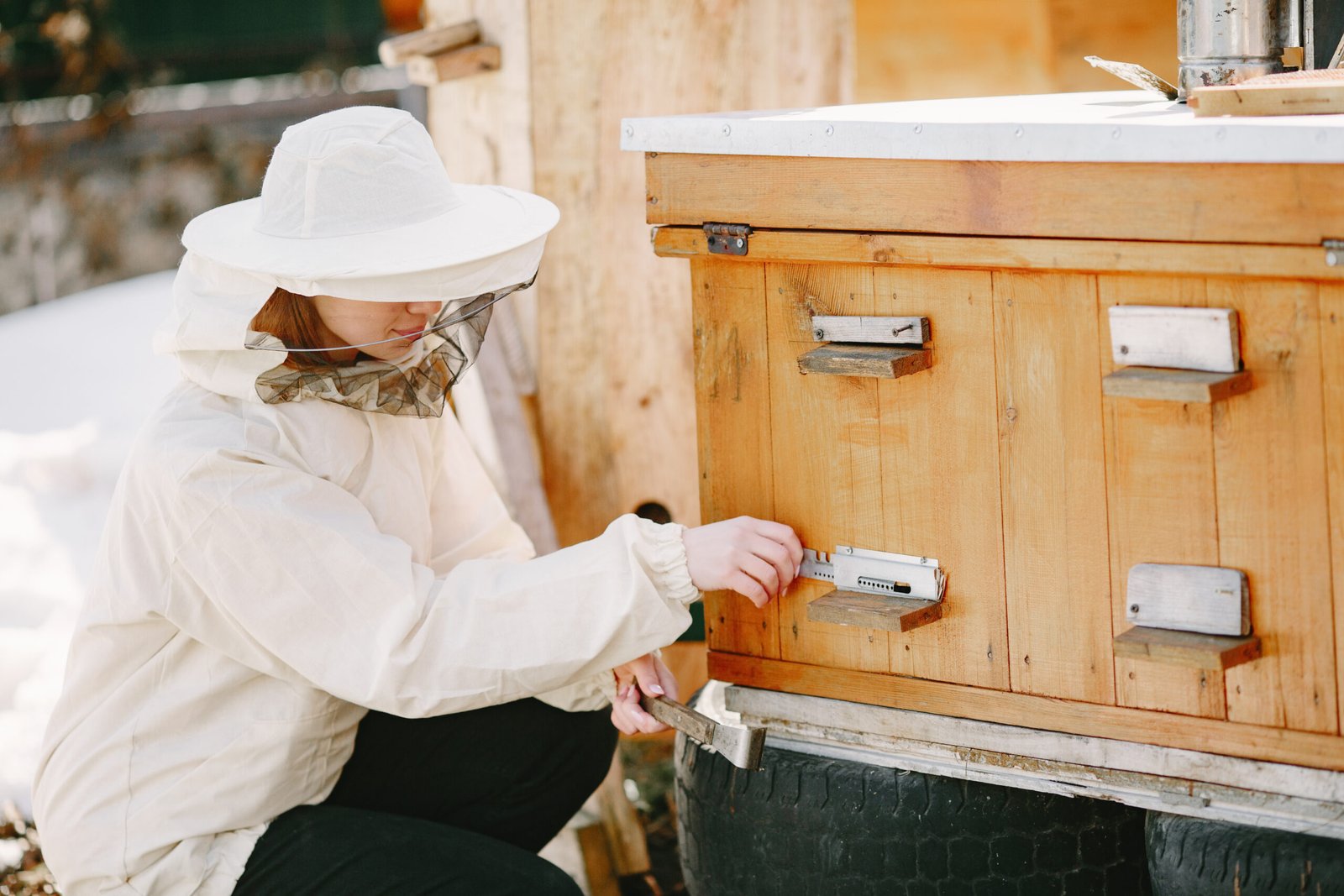
Winter is one of the biggest challenges for beekeepers. Bees may spend months preparing for colder conditions, but the hive itself still needs the right protection to help the colony survive.
A healthy hive going into winter is only part of the equation. Temperature, wind, moisture, and food availability all influence whether a colony makes it through the cold season. That is where winter hive protection becomes important.
Products such as winter bee hive wraps from suppliers like Lappes Bee Supply are designed around a simple idea: help bees maintain a stable environment when outdoor conditions become harsh.
The goal is not to create a warm hive like a heated building. Bees already know how to generate heat by clustering together. The purpose of a hive wrap is to reduce unnecessary heat loss and protect the colony from extreme weather.
For beekeepers, preparing hives before winter is a balance between protection and allowing the hive to function naturally.
Table of Contents
- Understanding Winter Bee Hive Wraps
- Why Winter Protection Matters for Bees
- How Hive Wraps Work in Cold Conditions
- Choosing the Right Winter Hive Covering
- Moisture Control and Winter Hive Health
- Common Winter Beekeeping Mistakes
- Preparing Colonies for Seasonal Changes
- Final Thoughts on Winter Bee Hive Wraps Lappes Bee Supply
Understanding Winter Bee Hive Wraps
A winter bee hive wrap is a protective layer placed around a hive to help reduce exposure to cold temperatures and harsh weather.
Unlike insulation used in homes, hive wraps are designed specifically for the needs of bees.
A bee colony survives winter by forming a cluster. Worker bees gather around the queen and vibrate their muscles to create heat. They rotate positions so that bees on the outside eventually move inward to warm up.
This natural process works well, but it requires energy.
The colder the weather, the more energy bees may need to maintain the cluster.
A hive wrap helps by slowing heat loss. It gives the colony a better chance of maintaining the internal conditions it needs without exhausting its resources too quickly.
Many beekeepers consider winter wraps an extra layer of support rather than a replacement for strong colony management.
Why Winter Protection Matters for Bees
Winter survival depends on several factors.
A strong colony with enough stored honey, a healthy queen, and good preparation has a better chance of making it through cold months.
However, even strong colonies face challenges.
Cold temperatures can affect how bees move inside the hive. During extreme cold, bees may not be able to move freely to reach food stores. If the cluster becomes separated from honey supplies, the colony can face serious problems.
Wind also plays a major role.
A hive exposed to strong winter winds loses heat faster than one placed in a sheltered location.
This is why many experienced beekeepers think about winter preparation early.
A few small steps before freezing temperatures arrive can make a noticeable difference.
How Hive Wraps Work in Cold Conditions
The basic purpose of a hive wrap is insulation.
It creates a barrier between the outside environment and the hive interior.
Think about wearing a winter coat. The coat does not create heat, but it helps your body keep the warmth it already produces.
Hive wraps work in a similar way.
They help the colony conserve energy by slowing down heat loss.
Different wraps may use different materials, but many are designed to provide insulation while still allowing the hive to breathe.
Breathing is important because moisture can become a major winter problem.
A sealed hive may hold too much condensation, which can create a damp environment.
Bees handle cold better than they handle cold combined with moisture.
Choosing the Right Winter Hive Covering
Selecting a winter hive wrap depends on several factors.
Climate is one of the biggest considerations.
A beekeeper in a region with mild winters may need different protection compared with someone dealing with long periods of freezing temperatures.
The type of hive also matters.
Different hive designs have different insulation needs. A setup that works well for one beekeeper may not be ideal for another.
Quality materials are important too.
A good hive wrap should:
- Fit securely around the hive
- Handle outdoor weather
- Provide insulation
- Allow proper ventilation
A poorly fitted wrap may leave gaps where cold air enters.
A wrap that traps excessive moisture may create other problems.
The best option is one that supports the hive’s natural behavior.
Moisture Control and Winter Hive Health
Many new beekeepers focus only on temperature.
But moisture is often just as important.
As bees consume honey, they produce heat and release moisture. Warm air inside the hive can rise and create condensation when it meets colder surfaces.
If that moisture drips back onto the cluster, it can harm the colony.
A good winter setup considers airflow.
Beekeepers often use methods that allow moisture to escape while still reducing cold exposure.
The exact approach depends on the hive design, climate, and local conditions.
Winter hive management is not about making the hive completely sealed.
It is about creating the right balance.
The Role of Lappes Bee Supply
Beekeeping suppliers help make seasonal preparation easier by providing equipment designed for different stages of hive care.
Lappes Bee Supply is known among beekeepers as a source for beekeeping tools and supplies, including equipment that supports hive management throughout the year.
For winter preparation, having access to the right materials can save time and reduce uncertainty.
A beekeeper preparing several colonies may need consistent equipment that fits properly and performs reliably.
Good supplies do not replace experience, but they make good practices easier to follow.
Common Winter Beekeeping Mistakes
Winter preparation can be tricky because overprotecting a hive can sometimes create problems.
One common mistake is adding too much insulation without considering ventilation.
Another is waiting too long.
A beekeeper who prepares only after the first major freeze may miss the best opportunity to help the colony.
Another mistake is forgetting about food supplies.
A hive wrap can help bees conserve energy, but it does not provide food.
Colonies still need enough stored resources to survive until warmer weather returns.
Successful winter beekeeping comes from looking at the entire picture.
Preparing Colonies for Seasonal Changes
Winter hive preparation starts before winter arrives.
Beekeepers often monitor colony strength, check food stores, and evaluate the condition of the hive.
The strongest colonies usually have:
- A healthy population
- Adequate food reserves
- Proper hive structure
- Protection from harsh weather
Timing matters.
Bees respond to seasonal changes gradually. Preparing too early may interfere with natural hive activity, while preparing too late may expose colonies to unnecessary stress.
Observation is one of the most valuable tools a beekeeper has.
Every hive tells a story.
Experienced beekeepers learn to notice those small signals.
Why Winter Preparation Is Different for Every Beekeeper
There is no single winter method that works perfectly everywhere.
A beekeeper in a snowy northern region may have completely different challenges from someone in a warmer area.
Local weather patterns matter.
Hive location matters.
Colony strength matters.
That is why beekeeping often involves learning through experience.
Advice from another beekeeper can be helpful, but it should always be adjusted to fit local conditions.
A hive is a living system, not just a box.
Final Thoughts on Winter Bee Hive Wraps Lappes Bee Supply
Winter bee hive wraps are one tool that can help colonies handle cold conditions more effectively.
They support bees by reducing heat loss, protecting against harsh weather, and helping colonies conserve energy.
However, successful winter beekeeping depends on more than insulation.
Healthy colonies, proper ventilation, enough food, and careful observation all work together.
A winter wrap is not a magic solution. It is part of a larger approach to helping bees survive until spring.
For beekeepers, preparation is about understanding what bees already do naturally and creating conditions that allow them to do it successfully.