
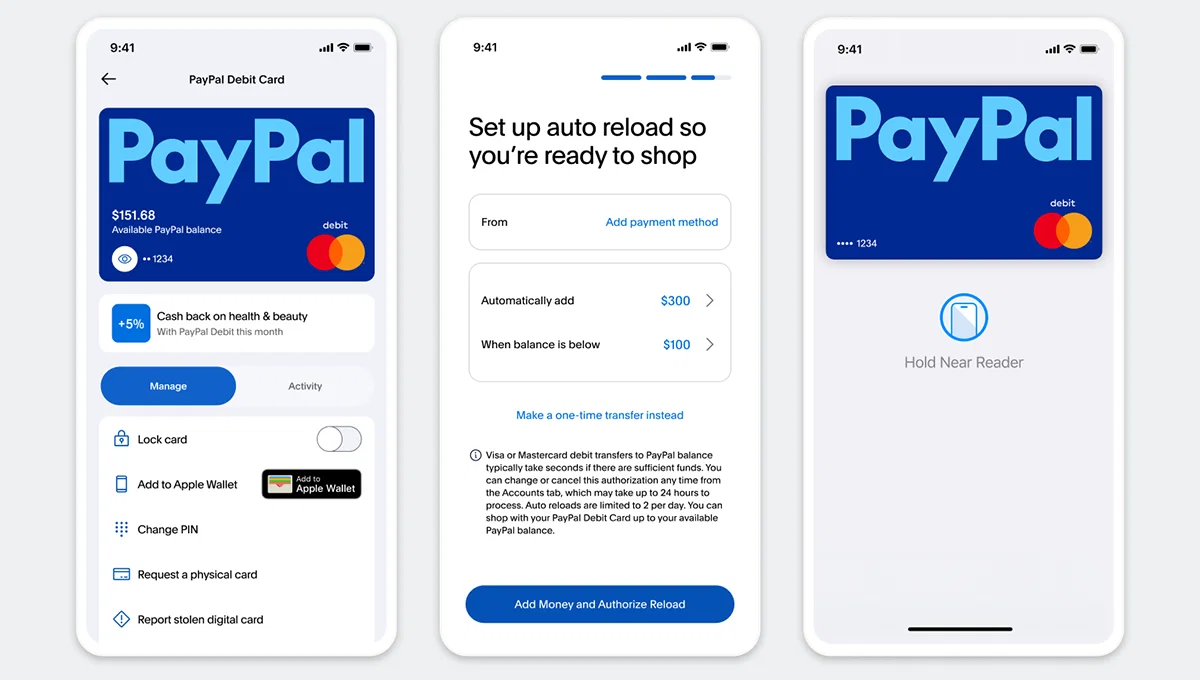
PayPal has been around long enough that most people assume they already understand it. “It’s just for online payments,” right?
Well… not quite.
Digital PayPal today is closer to a full financial ecosystem than a simple checkout button. It moves money across countries, supports freelancers, powers online stores, and quietly sits behind millions of everyday transactions that feel instant.
And yet, most users still only scratch the surface.
You click “Pay with PayPal,” the money moves, and that’s it. Simple on the outside. A bit more layered underneath.
Table of Contents
- What Digital PayPal Actually Is Today
- How PayPal Works Behind the Scenes
- Sending, Receiving, and Everyday Use
- PayPal for Freelancers and Online Work
- Security, Trust, and Why People Rely on It
- Fees, Currency Conversion, and Hidden Details
- Final Thoughts on Digital PayPal
What Digital PayPal Actually Is Today
At its core, PayPal is a digital payment platform that allows people and businesses to send and receive money electronically.
But that definition feels outdated compared to what it actually does now.
Digital PayPal is more like a financial bridge. It connects bank accounts, debit cards, credit cards, online stores, freelancers, and international buyers into one system.
Instead of money moving directly between two banks every time, PayPal often acts as an intermediate layer. It sits in the middle, processes the transaction, and then passes funds along.
That middle layer is what makes it fast and widely usable.
Think of it like this: instead of every business building direct payment connections with every bank in the world, they connect to PayPal once—and suddenly they can accept payments from almost anywhere.
That’s the real power behind it.
How PayPal Works Behind the Scenes
When you click “Pay with PayPal,” a lot happens in the background in just a few seconds.
First, PayPal checks your linked funding source. That could be:
- A bank account
- A debit card
- A credit card
- Or your PayPal balance
Then it authorizes the transaction, verifies security, and sends confirmation to the merchant.
The merchant doesn’t directly see your bank details. That’s an important point.
Instead, PayPal acts as a shield between your financial information and the seller.
Here’s a simple example.
Imagine you’re buying sneakers from an online store. You don’t want to enter your card details on a site you’ve never used before. So you choose PayPal.
PayPal handles the payment, the store gets paid, and your bank details stay private.
That separation is one of the reasons it became so popular in the first place.
Now, under the hood, PayPal also manages fraud detection systems, currency conversions, and transaction routing across different banking networks. Most users never see this part, but it’s constantly working in the background.
Sending, Receiving, and Everyday Use
For everyday users, PayPal usually feels simple.
You send money to a friend. You receive payment for a small job. You buy something online without typing card details repeatedly.
It’s that convenience that made it mainstream.
A common real-life situation: someone splits a restaurant bill with friends. One person pays the full amount, and the others send their share via PayPal instantly. No cash, no awkward reminders later.
It’s quick, and it avoids friction.
Receiving money is just as straightforward. Once someone sends funds, they appear in your PayPal balance. From there, you can:
- Keep it in PayPal
- Transfer it to your bank
- Or use it for future purchases
The flexibility is what makes it feel like a digital wallet rather than just a payment tool.
But here’s something people sometimes overlook: timing.
Transfers to a bank account can take anywhere from instant (for a fee) to a few business days depending on region and method.
Not everything is instant, even if it feels like it should be.
PayPal for Freelancers and Online Work
One of the biggest real-world uses of PayPal is in freelancing and online work.
If you’ve ever done remote work, there’s a good chance you’ve been paid through PayPal at some point.
Writers, designers, developers, consultants—many rely on it because it’s globally accessible.
A client in one country can pay a freelancer in another without needing complex bank arrangements. That simplicity matters a lot when work is international.
Picture a freelance graphic designer in one country working with a startup halfway across the world. Instead of waiting for international wire transfers, they get paid directly through PayPal, often within minutes.
That speed can make a big difference when managing cash flow.
But there’s a trade-off.
Fees exist, especially for international transfers and currency conversion. Freelancers often factor those costs into their pricing.
Still, many accept it because convenience and accessibility outweigh the downsides.
Security, Trust, and Why People Rely on It
Money is sensitive. So trust is everything.
PayPal built its reputation early on by offering buyer and seller protection. That means if something goes wrong—like an item not arriving or a transaction being unauthorized—there may be a dispute process.
This layer of protection is one reason people feel safer using it with unfamiliar sellers.
Another important feature is data protection. When you use PayPal, your card or bank details are not shared with the merchant.
Instead, PayPal handles the transaction internally.
That reduces exposure.
Now, no system is perfect. Like any financial platform, users still need to be cautious. Phishing attempts, fake emails, and scam listings exist around every major payment service.
But PayPal invests heavily in fraud detection and account monitoring.
If something unusual happens—like a login from a new device—you’ll usually get notified quickly.
It’s not passive. It’s actively watching transactions in real time.
Fees, Currency Conversion, and Hidden Details
This is where things get a little less “simple” than most users expect.
PayPal is convenient, but convenience comes with structure.
Some transactions are free, especially domestic personal payments when funded by a PayPal balance or linked bank account.
But fees often apply in other situations:
- Receiving business payments
- International transfers
- Currency conversion
- Credit card funding
Currency conversion is one area people notice the most. If you’re receiving money in one currency and withdrawing in another, PayPal applies an exchange rate that includes a margin.
It’s not hidden exactly—it’s just not always obvious at first glance.
A freelancer working with international clients might earn in USD but live in another currency region. Over time, those conversion differences can add up.
So while PayPal simplifies global payments, it also introduces a layer of cost structure that users need to understand.
The Role of PayPal in Modern Digital Commerce
What makes PayPal interesting is how quietly embedded it is in online life.
You don’t always notice it, but it’s often there.
Online stores use it as a checkout option. Subscription services sometimes rely on it. Small businesses use it to accept payments without building full banking infrastructure.
It lowers barriers.
A small seller can start accepting payments online without complex setup. That alone changed how many businesses operate on the internet.
Let’s be honest—without tools like PayPal, a lot of small online businesses would struggle to get started.
It removes friction from the financial side of digital commerce.
And in online business, friction is often the biggest obstacle.
Final Thoughts on Digital PayPal
Digital PayPal is more than just a payment button. It’s a financial layer that connects individuals, businesses, and global transactions in a way that feels simple on the surface but is quite complex underneath.
It makes sending money feel instant, even when systems behind the scenes are doing a lot of work.
For everyday users, it’s about convenience and safety.
For freelancers and businesses, it’s about accessibility and global reach.
And like most financial tools, its real value depends on how it’s used. Used casually, it’s a handy wallet. Used professionally, it becomes part of a global income system.
Either way, it has changed how digital money moves—and it’s hard to imagine online payments without it now.