
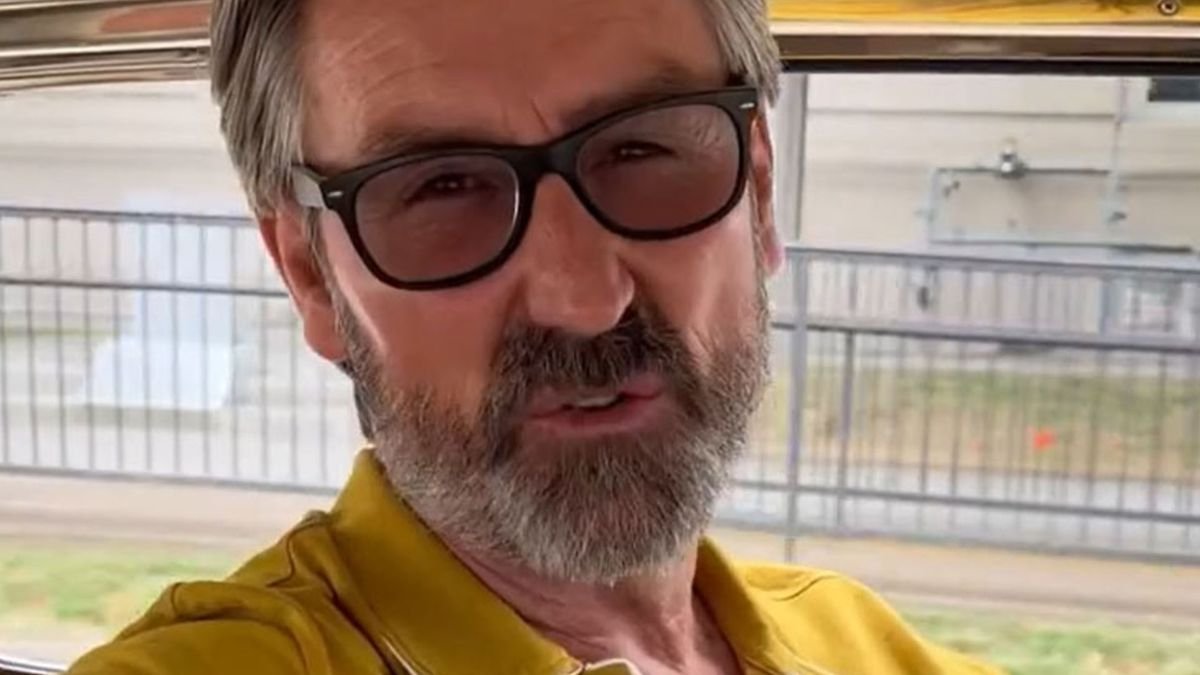
Picture a quiet street in Columbia, Tennessee. An old Esso gas station sits on the corner, paint peeling, concrete cracked, and forgotten by time. Most people drive past without a second glance. But Mike Wolfe pulled over, looked at it carefully, and saw something completely different. He saw a gathering place. He saw community. He saw history worth saving.
That moment captures everything you need to understand about who Mike Wolfe really is. Most people know him from their television screens — the fast-talking, deal-making host of American Pickers on the History Channel. But the Mike Wolfe passion project tells a deeper story. It is a story about a man who decided that collecting antiques was never really the point. The point was always to protect the places, the craftsmanship, and the communities that made those antiques worth finding in the first place.
This article takes a close look at what drives him, where this mission is happening right now, and why it matters far beyond reality television.
Who Is Mike Wolfe? The Man Behind the Mission
From Bettendorf Barns to National Television
Mike Wolfe was born on June 11, 1964, in Joliet, Illinois. He grew up in Bettendorf, Iowa — a small river town where his fascination with old things started before he was old enough to explain it. As a boy, he would wander through barns, dig through junkyards, and haunt flea markets, always drawn to the objects that everyone else had given up on. Old bicycles. Rusted signs. Forgotten mechanical pieces with no clear purpose. He saw stories where others saw junk.
That instinct never left him. In 2000, he turned it into a business by opening Antique Archaeology in LeClaire, Iowa. A decade later, in 2010, he created American Pickers for the History Channel, and suddenly millions of people were watching him do what he had always done naturally — drive the back roads of America, knock on strangers’ doors, and talk them into selling their buried treasures.
The show ran for more than fifteen years and made Mike Wolfe a household name. His longtime partner on the road, Frank Fritz, passed away in 2024 from complications following a stroke, a loss Wolfe felt deeply. He was by Fritz’s side in hospice. The two had known each other since childhood, long before any cameras were rolling.
The Moment He Decided TV Was Not Enough
Here is what nobody talks about enough. While Wolfe was criss-crossing the country filming American Pickers, he kept seeing the same thing in town after town. Buildings boarded up. Main Streets hollowed out. Old structures with remarkable bones left to rot because nobody had the vision or the will to save them. He was picking objects out of these places, but the places themselves were dying.
That bothered him. Quietly, then loudly. Beyond collecting vintage items, he began collecting something more valuable — community stories, cultural history, and a growing conviction that someone needed to do more than just take the antiques and leave.
So he decided to stay.
What Is the Mike Wolfe Passion Project, Really?
It is important to define this clearly, because people use the phrase in different ways.
The Mike Wolfe passion project is his real-world mission to restore historic buildings, support traditional craftsmen, and revitalize the small American towns that shaped the country’s character. It is not a spin-off show. It is not a branded marketing campaign. It is not a celebrity side hustle.
It is a genuine, money-out-of-pocket commitment to preserving places that most developers would bulldoze without a second thought.
At its core, the project rests on three connected pillars:
Historic Building Restoration — Wolfe buys crumbling structures in forgotten towns and rebuilds them to period-accurate standards, using original materials wherever possible and consulting old photographs to restore architectural details that had been lost.
Community Economic Revitalization — The restored buildings are not turned into museums. They become functional spaces — guesthouses, event venues, gathering spots, and retail stores — that generate foot traffic and economic activity for the surrounding blocks.
Cultural Storytelling — Through his Two Lanes platform and social media, Wolfe documents every step of the process and uses the work to shine a light on the craftsmen, artisans, and communities keeping American traditions alive.
This is not theoretical. This is happening right now, with real dollar amounts and real results.
Columbia, Tennessee — Ground Zero for the Project
If you want to understand the Mike Wolfe passion project in concrete terms, you need to go to Columbia, Tennessee.
Columbia is a historic city in Maury County, known as the “Antique Capital of Tennessee.” When Wolfe first started spending serious time there, the downtown was struggling. Buildings sat empty. The character of the place was fading. He decided to do something about it.
Over time, he has invested more than $1.5 million into properties in Columbia alone. That includes purchase prices, renovation costs, permits, materials, and the skilled labor needed to do the work right. This is not a vanity project. This is a financial commitment on a serious scale.
The Esso Gas Station — Revival
One of the most talked-about moments in the project came in May 2025. Wolfe took to Instagram to reveal the restoration of a vintage Esso gas station in downtown Columbia, and the response from fans was immediate. One commenter wrote simply: “Beautiful.” Another said they kept driving past it just to look.
Wolfe purchased the property and poured resources into transforming it into a community gathering space now called Revival. The restored station features a fire pit, comfortable outdoor seating, a pergola, a stage, and a warm atmosphere that blends old-world charm with modern comfort. It also includes plans for food and craft cocktails, making it a true destination rather than just a landmark.
The road to getting Revival open was not smooth. In 2023 and 2024, the property did not pass fire and gas inspections, slowing things down considerably. But Wolfe kept going. After adjustments and new permits, the inspections cleared, and the space finally moved toward opening. That persistence tells you a great deal about the man behind this project.
The 1873 Italianate Mansion
Another centerpiece of Wolfe’s Columbia work is the restoration of an 1873 Italianate mansion — a property that had lost some of its most distinctive architectural features over the decades. Working from old photographs, Wolfe and his team set about restoring the missing cupola and tower, the front porch, shutters, and original windows.
The house alone cost $700,000 to purchase, with renovation costs climbing well above $200,000. This is the kind of investment that most people would never make in a building this old and this far gone. But Wolfe’s approach is built on the belief that authenticity cannot be faked. You either do it right, or you do not do it at all.
Columbia Motor Alley
Then there is Columbia Motor Alley — once an empty industrial area that Wolfe transformed into a busy hub for artists, small shops, and community events. Wolfe has always had a deep love for automobiles and motorcycles, and Motor Alley reflects that. It preserves Columbia’s automotive roots while creating a new cultural destination that draws visitors and gives locals a reason to gather.
The Two Lanes Guesthouse
Not far from the other properties, the Two Lanes Guesthouse offers visitors a chance to stay in a space that functions as a living gallery. Every room is filled with antiques handpicked by Wolfe himself. Guests do not just stay in Columbia — they experience the vision he has been building. That distinction matters enormously to how this project works.
The Economic Impact: What Restoration Actually Does for a Town
Critics of historic preservation often argue that it is sentimental, expensive, and impractical. The numbers from Columbia tell a different story.
After the grand reopening of several Wolfe properties in mid-2025, something noticeable began to happen in the surrounding blocks. Commercial property values started climbing. Retail vacancies that had sat empty for years began to fill. Seven new businesses opened their doors within months of the restoration work gaining attention.
Local real estate agents reported something they had not seen in two decades: young families were moving into Columbia rather than leaving it.
That is not just economic development on paper. That is a community coming back to life. Visitors who come to see the restored gas station, stay at the guesthouse, or browse Motor Alley do not just spend money there. They talk about it. They share photos. They come back.
Heritage tourists, as a category, spend considerably more than average visitors. They stay longer, eat locally, and engage with the community in ways that create lasting economic benefit. Wolfe understood this intuitively long before any study confirmed it.
The financial model behind his work also deserves credit. Each restored property contributes through multiple revenue streams — retail sales, event rentals, short-term vacation stays, and tourism traffic. The project is not built on charity. It is built on a sustainable business strategy that happens to have preservation at its heart.
Two Lanes: The Platform That Carries the Story
What Two Lanes Actually Is
Two Lanes started as something hard to categorize. It is part lifestyle brand, part media platform, part storytelling operation, and part community philosophy. Inspired by twenty-five years of exploring the forgotten wonders found only on the back roads of America, it represents Wolfe’s attempt to share the spirit of his work with people who cannot be in Columbia every day.
The platform offers curated goods — apparel, accessories, handpicked items — that are made in America and chosen with intention. But more importantly, it tells stories. Stories of craftsmen keeping old trades alive. Stories of small towns worth visiting. Stories of why slowing down and choosing the two-lane road over the interstate still matters.
In 2025, Two Lanes traffic rose by more than 220% as more people searched for authentic experiences and slow-living alternatives. That surge was not accidental. It reflects a cultural shift that Wolfe has been ahead of for years.
Supporting the Craftsmen Nobody Talks About
One of the quieter but more meaningful parts of this mission involves direct financial support for artisans. Through the Two Lanes initiative, Wolfe distributes micro-grants ranging from $2,000 to $10,000 to blacksmiths, sign painters, neon benders, leather workers, and other craftspeople whose skills represent vanishing trades.
These are not large sums by celebrity standards. But for a neon bender in rural Tennessee or a blacksmith in Iowa trying to keep a small shop running, that kind of support can make the difference between staying open and shutting down.
Wolfe once said that “anything handmade and produced in limited numbers” is the next big thing to collect. But he is not just predicting the trend — he is actively funding the people who make it possible.
Antique Archaeology: Where the Mike Wolfe Passion Project Began
Before the Italianate mansion and the Esso station and Motor Alley, there was a store in LeClaire, Iowa.
Antique Archaeology is where Wolfe first made the leap from private collector to public preservationist. Step inside, and you feel it immediately. The smell of aged wood. The gleam of polished chrome. The quiet weight of objects that have survived decades of neglect and come out the other side with their stories intact. These spaces are not typical retail environments. They are curated experiences that celebrate authenticity at a time when mass production dominates everything.
For fifteen years, a second Antique Archaeology location operated in Nashville, Tennessee. Then, in April 2025, Wolfe closed the Nashville store. Not because the business failed — but because he made a deliberate choice to concentrate his energy and resources on Columbia rather than managing a multi-city retail footprint.
That decision was widely misread as a retreat. It was actually the opposite. It was a focus. He was doubling down on the work that matters most to him, putting resources where they could have the deepest community impact rather than spreading thin across multiple cities.
The original LeClaire location remains open and thriving. Tourists visit by the thousands. Over 30% of American antique stores have closed in the past two decades, pushed out by online marketplaces. Antique Archaeology pushes back against that trend by offering something the internet cannot replicate — a real, physical experience with history.
What’s Next for the Mike Wolfe Passion Project
The 100-Building Goal
The most ambitious part of Wolfe’s long-term vision is a goal to restore 100 historic buildings across America — one in every state — by 2027. As of August 2025, twenty-three buildings had been completed. Each project is fully documented and archived so future generations can trace the transformation from decay to purpose.
Completed buildings already tell diverse stories. A 1920s craftsman bungalow in Texas now serves as shared workspace for remote workers and entrepreneurs. Three connected 1880s storefronts in Iowa anchor downtown foot traffic around the Antique Archaeology flagship. An industrial strip in Tennessee has become a maker studio and vintage market where local artisans create and sell their work.
The scale of the ambition is real. And so is the challenge. Finding authentic period materials for structures that are over a century old is genuinely difficult. Skilled craftsmen with experience in period-accurate restoration are not easy to find. Permits, inspections, and local regulations add layers of complexity to every project.
But Wolfe has shown, repeatedly, that he does not stop when things get hard.
History’s Greatest Picks and New Television Work
Even as the off-screen work continues to grow, Wolfe is not stepping away from television. A new History Channel series called History’s Greatest Picks With Mike Wolfe was announced in 2025, following him as he explores the stories behind some of the nation’s most legendary antiques and collectibles.
Wolfe described the show this way: “I’ve been on the road filming American Pickers for over a decade, tracking down hidden gems in the most unexpected places and connecting with fascinating people who are preserving history. I’m looking forward to embarking on a new adventure, while continuing my lifelong passion of picking with this series.”
The television work and the preservation work are not in conflict. They are designed to feed each other. The show generates income and platform. The platform funds the buildings. The buildings attract visitors and inspire communities. The stories from those communities fuel the show.
It is an ecosystem built on a single consistent belief: that history is worth saving.
Challenges That Still Lie Ahead
In September 2025, Wolfe and his girlfriend Leticia Cline were involved in a serious car crash in Columbia while driving a vintage Porsche 356. Both were hospitalized. Cline suffered significant injuries including broken ribs and a collapsed lung. Both were expected to fully recover, and Wolfe continued posting project updates from recovery — a sign of just how deeply this mission is woven into who he is.
The crash did not slow the project. It refocused it.
Why This Matters: The Bigger Picture of Historic Preservation
Here is something Wolfe says often, and it deserves to be heard clearly: “The greenest building is the one already built.”
That one sentence contains a philosophy that goes well beyond sentiment. Restoring an old structure rather than demolishing it and building new saves enormous amounts of material, energy, and embodied carbon. It preserves craftsmanship — millwork, masonry, ironwork, and woodwork — that cannot be manufactured at any price today. And it protects the physical evidence of a community’s history in a way that no archive or photograph ever fully can.
Small towns across America have been losing ground for decades. Young people leave. Businesses close. Buildings fall. The story that gets told is one of inevitable decline. Wolfe is telling a different story — and backing it with his own money.
His passion project challenges everyone who encounters it to look differently at the forgotten buildings on their own Main Street. To ask whether the old hardware store, the empty diner, or the crumbling schoolhouse might be worth saving rather than bulldozing. To recognize that age can mean value, not expiration.
Ordinary people can be part of this too. Visiting Columbia or LeClaire, shopping from American artisans, sharing vintage finds using the hashtag he has championed, or simply volunteering at a local restoration effort — all of these connect to the broader movement Wolfe has helped create.
Frequently Asked Questions About the Mike Wolfe Passion Project
1. What exactly is the Mike Wolfe passion project? The Mike Wolfe passion project is his personal mission to restore historic buildings in small American towns, support traditional craftsmen, and revitalize communities through cultural preservation and storytelling. It extends far beyond his television work and involves real financial investment in properties across the country.
2. Where is most of the project happening right now? The primary focus is Columbia, Tennessee, where Wolfe has invested over $1.5 million in multiple historic properties. LeClaire, Iowa — home of his original Antique Archaeology store — is also a central location for the project’s retail and community efforts.
3. What is the Revival space in Columbia? Revival is the transformation of a vintage 1940s Esso gas station in downtown Columbia into a community gathering space featuring outdoor seating, a fire pit, a pergola, and a stage. Plans include food and craft cocktails, making it a full community destination rooted in the town’s history.
4. Why did Mike Wolfe close his Nashville Antique Archaeology store? Wolfe shut down the Nashville location in April 2025 after fifteen years to concentrate his time and financial resources on the preservation work in Columbia, Tennessee. The decision was strategic — a focus, not a failure. The original LeClaire, Iowa store remains open.
5. What is Two Lanes and how does it connect to the project? Two Lanes is Wolfe’s lifestyle brand and storytelling platform, inspired by decades of back-road travel. It sells American-made goods and tells the stories of craftsmen, communities, and places that keep authentic traditions alive. It also distributes micro-grants to rural artisans as part of the broader preservation mission.
6. How many buildings has Mike Wolfe restored through this project? As of August 2025, Wolfe had completed twenty-three buildings as part of his goal to restore one historic building in every state by 2027. Each project is fully documented and archived for public access.
7. Has the project had a real economic impact on Columbia, Tennessee? Yes, measurably so. After major restoration work was completed, seven new businesses opened in surrounding blocks, commercial property values rose, retail vacancies declined, and local real estate agents noted an influx of young families — something they had not seen in over two decades.
8. Is Mike Wolfe still filming American Pickers? Yes. Season 27 of American Pickers premiered in July 2025 with Wolfe continuing alongside co-hosts Danielle Colby, his brother Robbie Wolfe, and friend Jersey Jon Szalay. He is also developing the new series History’s Greatest Picks With Mike Wolfe for the History Channel.
9. How does Mike Wolfe fund the passion project? Funding comes from multiple sources including income from American Pickers, revenue from Antique Archaeology retail operations, property income from restored buildings, and brand collaborations through Two Lanes. The restored properties themselves are designed to generate ongoing revenue through rentals, events, and tourism.
10. How can someone support or get involved with the Mike Wolfe passion project? People can visit the restored spaces in Columbia and LeClaire, shop from American artisans through the Two Lanes platform, share vintage Americana on social media using the hashtag associated with the project, volunteer at restoration sites during community days, or simply start paying attention to historic buildings in their own towns and advocating for their preservation.
Conclusion
Go back to that Esso gas station on the corner in Columbia. The fire pit is burning now. People are sitting outside, laughing, sharing a drink, making memories in a space that almost disappeared completely.
That is what the Mike Wolfe passion project is building. Not just restored buildings — restored possibilities. Not just preserved architecture — preserved community.
Wolfe is not chasing fame with this work. He is chasing permanence. He is betting — with his own money, his own time, and his own stubborn belief — that the old places still matter. That the craftsmanship of people long gone still has something to teach us. That small towns, given a reason to believe in themselves again, will rise to meet that faith.
The cameras will eventually stop rolling on every show he has ever made. But the 1873 Italianate mansion in Columbia will still be standing. The Esso station will still be drawing people in from the street. The craftsmen he funded will still be bending neon and hammering iron and making things by hand that no algorithm can replicate.
That is the real legacy here. And it is still being written, one building at a time.