
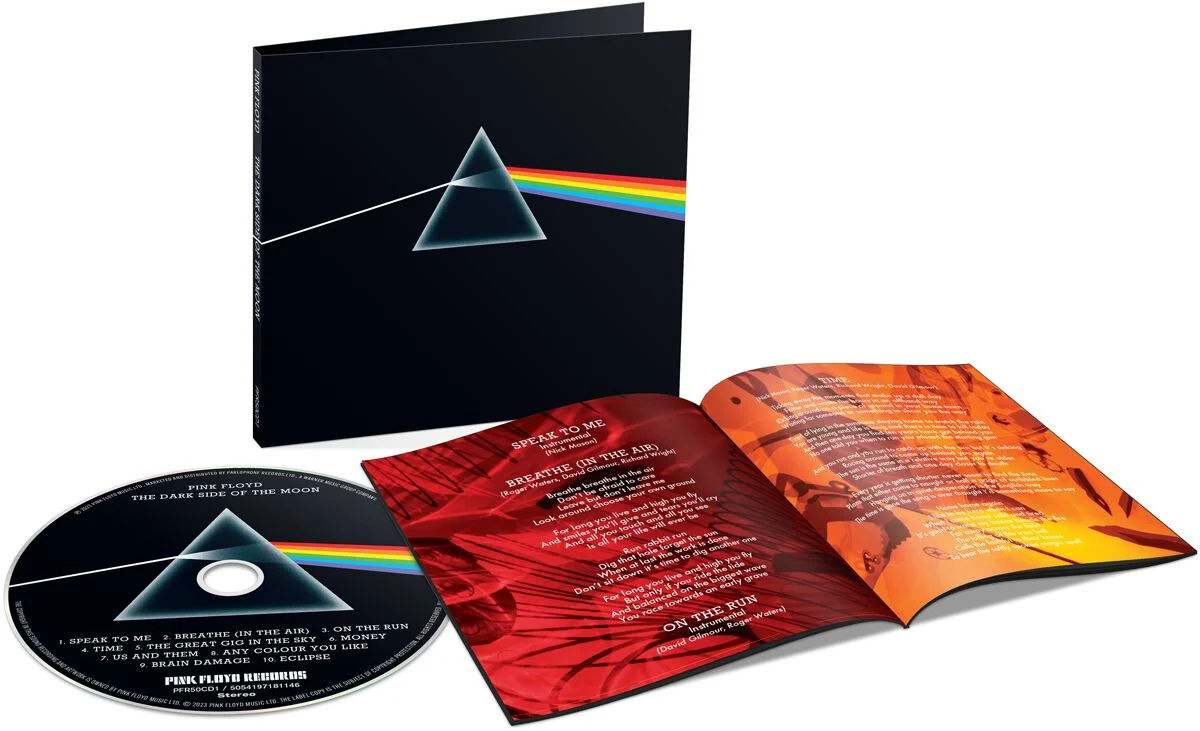
Pink Floyd built a reputation that goes far beyond the music. Few bands in rock history are as closely tied to their visual identity. For decades, fans have studied Pink Floyd CD covers almost as closely as the songs themselves. Each design tells its own story, and some of those stories are stranger than anything in the lyrics.
This guide walks through the most famous covers in the band’s catalog, including the legendary Animals pig and the surreal beach scene on A Momentary Lapse of Reason. It also looks at bootleg pressings, a common naming mix-up among fans, and practical advice for anyone interested in collecting these covers today. Whether you grew up with the vinyl originals or discovered the band through streaming, understanding this artwork adds a new layer of appreciation to the music itself.
Why Pink Floyd CD Covers Are Considered Works of Art
Most bands treated album packaging as an afterthought. Pink Floyd never did. From the late 1960s onward, the band approached cover art as part of the overall creative statement, not just a way to sell records. This is one reason Pink Floyd CD covers still get discussed decades after their original release dates.
The Hipgnosis Design Legacy
Much of this reputation comes down to one design studio. Storm Thorgerson and Aubrey Powell founded Hipgnosis in London, and the pair worked with Pink Floyd from 1968 through most of the band’s career. Their approach was unusual for the era. Instead of photographing the band members, they built elaborate concepts, often staged in real locations using real props rather than tricks of the camera.
Hipgnosis also designed covers for other major acts of the time, including Led Zeppelin. Even so, the studio’s work with Pink Floyd became the most recognized body of work in its history. Storm Thorgerson passed away in 2013, but his influence remains visible across the band’s entire catalog, including reissues released long after his death.
How Concept Art Shaped the Listening Experience
In the era before music videos and streaming, album covers carried real weight. Fans studied the artwork while listening to a record, often searching for hidden meaning or visual clues tied to the lyrics inside. Pink Floyd’s covers for The Dark Side of the Moon, Wish You Were Here, and The Wall all became cultural symbols in their own right, recognized even by people who have never heard the albums.
This context matters when looking at later reissues. Many fans specifically search for pink floyd cd covers because the artwork still carries the same emotional weight it did on vinyl, even when shrunk down to fit a smaller case.
How Pink Floyd CD Covers Differ From the Original Vinyl Artwork
Vinyl records gave Hipgnosis a large canvas to work with. Moving that same artwork onto a compact disc presented a real design challenge, and the results varied across different eras of CD manufacturing.
Jewel Case Adaptations and Booklet Inserts
When Pink Floyd’s catalog first arrived on CD in the 1980s, designers had to shrink large gatefold artwork down to fit a five-inch jewel case. Detail that looked striking on a twelve-inch sleeve sometimes lost impact at the smaller size. To compensate, several releases included expanded booklets with additional photography or printed lyrics that had not appeared on the original vinyl packaging.
Longbox Packaging in the United States
American retailers in the late 1980s and early 1990s often sold CDs inside cardboard longboxes, a packaging format roughly twice the height of the jewel case underneath. Pink Floyd releases sold during this period frequently featured longbox art adapted from the original vinyl design, giving collectors a uniquely sized piece of packaging that no longer exists in modern retail.
Mini-LP Style CD Reissues
Later reissues, particularly special edition remasters released in Japan and parts of Europe, used mini-LP style packaging. These editions replicated the original gatefold sleeve at a smaller scale, right down to the spine text and inner sleeve artwork. Collectors often consider these among the most faithful versions of Pink Floyd CD covers available, since they preserve details that standard jewel case pressings tend to simplify or cut entirely.
A Look at the Most Iconic Pink Floyd CD Covers
Before focusing on two specific albums in detail, it helps to understand the broader catalog these designs belong to.
From the Prism to the Burning Man
The Dark Side of the Moon cover, showing a beam of white light passing through a prism and splitting into color, remains one of the most recognized images in music history. Wish You Were Here used a striking photograph of two businessmen shaking hands, one of them on fire, as a comment on the music industry’s coldness toward artists. The Wall relied on a stark, minimal image of a brick wall, fitting an album built around themes of isolation and emotional distance.
Together, these pink floyd cd covers set a visual standard that few other bands of the era could match, and that standard followed the catalog directly into the CD format.
Why Some Covers Became More Collectible Than Others
Not every pressing of these covers looks identical. Print quality changed across different manufacturing runs over the decades. Early CD pressings sometimes used different color saturation, paper stock, or packaging materials compared to later remasters. Collectors pay close attention to these small details, since first pressings often carry higher value among serious buyers.
This is part of why pink floyd cd covers attract such a dedicated collector community. The artwork itself becomes a historical record of exactly how an album was presented at a specific point in time, which matters a great deal to anyone trying to build an accurate collection.
Pink Floyd Animals CD Covers and the Story of the Flying Pig
This release also stands among the most discussed pink floyd cd covers in the band’s catalog, largely because of what happened during the photo shoot itself.
The Battersea Power Station Concept
Released in 1977, Animals remains one of Pink Floyd’s most striking covers. Bassist Roger Waters came up with the core concept: a giant inflatable pig floating between the two chimneys of Battersea Power Station in London. Storm Thorgerson and the Hipgnosis team were responsible for turning that idea into a finished photograph, and the process was far more complicated than it looks in the final image.
Getting the shot right took three separate attempts across different days. Weather conditions and timing problems forced the team to combine elements from different shoots into a single composite image. The most usable sky came from an earlier, more ominous-looking day, while the clearest shot of the pig itself came from a later attempt.
The Pig That Escaped
During one of the shoots, the cable holding the pig in place snapped. The inflatable pig, nicknamed Algie, broke loose and drifted into restricted airspace near Heathrow Airport, causing flights in the area to be grounded while officials tracked it down. Algie eventually landed in a farmer’s field in Kent, far from where the shoot had started, after frightening the farm’s livestock along the way.
This incident became part of rock folklore almost immediately. It also helped turn the inflatable pig into a recurring prop during Pink Floyd’s live shows for years afterward, long after the original album had been released.
Pink Floyd Animal CD Cover vs Animals CD Cover: Clearing Up the Naming
Many fans search using the singular form, looking for a pink floyd animal cd cover rather than the technically correct plural title. The album itself has always been officially titled Animals. Both search terms point to the exact same artwork, so there is no need to worry about which phrasing is correct when looking for accurate information online.
Whether someone searches for pink floyd animal cd covers or the plural pink floyd animals cd covers, they will land on the same Battersea Power Station image described above, along with the same behind-the-scenes story involving Algie the pig.
Pink Floyd A Momentary Lapse of Reason CD Cover Explained
This 1987 release carries one of the most unusual production stories of any cover in the band’s catalog, and it deserves a closer look on its own.
700 Beds on a Devon Beach
A Momentary Lapse of Reason marked the first studio album made after Roger Waters left the band. The cover, once again designed by Storm Thorgerson, shows hundreds of wrought iron hospital beds arranged in long rows across an open beach.
The concept came from a single lyric in the song “Yet Another Movie,” which mentions a vision of an empty bed. Thorgerson expanded that one image into a vast field of roughly 700 individual beds, physically transported by truck to Saunton Sands in Devon, England. No digital editing was involved in creating this scene. The production team had to redo parts of the shoot after sudden rain disrupted the original setup, meaning the now-famous image actually required two separate attempts to complete.
Why Fans Often Search “Monetary Lapse of Reason”
It is fairly common to see this album title misspelled as A Monetary Lapse of Reason. This appears to be a simple mishearing, since the words “monetary” and “momentary” sound almost identical when spoken aloud, especially in casual conversation. The correct title has always been A Momentary Lapse of Reason, with no connection to money or finance in the meaning behind it.
Anyone searching for pink floyd a monetary lapse of reason cd covers is almost certainly looking for this same 1987 release and its beach scene built from hundreds of beds. Understanding this naming mix-up makes it much easier to find accurate information rather than getting stuck on the misspelled version of the title.
Pink Floyd Bootleg CD Covers: Unofficial Art With Its Own Identity
Even though official releases get most of the attention, bootleg pressings tell their own separate visual story, one that looks quite different from anything Hipgnosis ever produced.
What Separates a Bootleg From an Official Release
A bootleg recording is any release made without official approval from the band or its record label. These often included live concert recordings or unreleased studio material that circulated among fans long before official archival releases existed for that same material.
Because bootlegs were produced outside normal studio operations, their packaging looked very different from anything released through proper channels. Pink Floyd bootleg cd covers were typically created quickly, often by small independent labels rather than professional design studios. The resulting artwork ranged from simple, almost amateur designs to more creative concepts that clearly borrowed ideas from the band’s official catalog.
Notable Bootleg Cover Concepts Collectors Recognize
Some bootleg covers became collectible in their own right, separate from the recordings inside them. One well-known example from the mid-1980s parodied both the title of The Dark Side of the Moon and the cow imagery from Atom Heart Mother, creating a tongue-in-cheek nod to two of the band’s most recognizable official releases at once.
Bootleg culture surrounding Pink Floyd dates back to the early 1970s, driven by a large and dedicated underground fan base eager for material the band had not officially released at the time. Even decades later, pink floyd bootleg cd covers remain a niche but genuinely active corner of music collecting, with certain titles still commanding meaningful prices among serious buyers.
How to Identify and Collect Genuine Pink Floyd CD Covers
Building an accurate collection takes more effort than simply buying whatever shows up for sale, especially once reissues and reprints enter the picture.
Spotting Original Pressings vs Reissues
First-press CDs often differ from later remasters in small but noticeable ways. Catalog numbers printed on the spine or back tray card can help confirm exactly which pressing run a copy belongs to. Packaging inserts, booklet thickness, and even the precise shade of certain colors sometimes shift between different manufacturing runs over the years.
Anyone serious about collecting pink floyd cd covers should compare a suspected original against verified reference images before assuming a copy is a genuine first pressing. Small printing differences are often the only clue separating an early release from a later reprint.
Where Collectors Typically Find Rare Pressings
Specialist record shops, dedicated music collector fairs, and established online marketplaces remain the most reliable places to find rare pressings. Joining collector communities can also help a great deal, since experienced buyers often recognize subtle packaging differences that casual shoppers tend to miss entirely.
Patience matters here more than almost anything else. Rare pressings of pink floyd cd covers do not appear on any predictable schedule, so building a meaningful collection usually takes months or even years of careful searching.
Caring for and Preserving Pink Floyd CD Covers
Once a copy worth keeping is in hand, proper storage protects its long-term condition and value. Direct sunlight fades printed colors over time, so covers should be stored away from windows or bright display lighting whenever possible. Keeping cases upright, rather than stacked flat under other items, reduces pressure damage to both the case itself and the printed sleeve sitting inside it.
Humidity is another concern worth taking seriously. Damp storage environments can warp cardboard gatefold sleeves and encourage mold growth on paper booklets and inserts. A cool, dry storage space works best for any physical music collection, including pink floyd cd covers that may have been passed down from their original release decades ago.
Frequently Asked Questions About Pink Floyd CD Covers
What is the most famous Pink Floyd CD cover? Many fans consider the Dark Side of the Moon prism design the most recognized cover in the band’s catalog. It has appeared on countless reissues and remains a symbol associated with Pink Floyd worldwide, even among casual music fans.
Who designed most of Pink Floyd’s album covers? Storm Thorgerson and Aubrey Powell, working through their design studio Hipgnosis, created most of the band’s iconic covers from 1968 onward. Their concept-driven approach shaped the band’s entire visual identity for decades.
Why does the Animals album cover show a flying pig? Roger Waters conceived the image of a giant inflatable pig floating over Battersea Power Station. The pig represented themes explored in the album’s lyrics about power, wealth, and social class.
What is the story behind the A Momentary Lapse of Reason cover? The cover shows roughly 700 wrought iron hospital beds arranged across a beach in Devon, England. The concept came from a single lyric line in the song “Yet Another Movie” describing an empty bed.
Is “A Monetary Lapse of Reason” the correct album title? No, the correct title is A Momentary Lapse of Reason. The misspelling likely comes from how similar the two words sound when spoken quickly or casually.
What makes a Pink Floyd CD cover a bootleg rather than an official release? Bootleg covers were produced without approval from the band or its record label, usually for unauthorized live recordings. Their designs typically look far less polished than official Hipgnosis artwork.
Are bootleg Pink Floyd CDs legal to own? Owning an existing bootleg copy is generally treated differently than producing or distributing one, though exact laws vary by country. It is worth checking local regulations if this is a genuine concern.
How can you tell an original CD pressing from a reissue? Check catalog numbers, packaging materials, and printed color details against verified reference copies. Small differences in these areas often indicate exactly which pressing run a copy belongs to.
Do remastered Pink Floyd CDs have different cover art than the originals? Most remasters keep the same core artwork, though some packaging details, booklet content, or color treatment can vary slightly. The central images themselves usually remain unchanged.
Where do collectors usually look for rare Pink Floyd CD packaging? Specialist record shops, collector fairs, and dedicated online marketplaces are common starting points. Collector communities are also a useful resource for identifying genuinely rare pressings.
Final Thoughts on Pink Floyd CD Covers
Pink Floyd’s visual history is just as layered as its musical catalog. From the carefully staged Animals pig to the surreal bed-covered beach on A Momentary Lapse of Reason, these designs reflect genuine creative effort rather than simple marketing decisions made in a boardroom. Bootleg pressings add yet another layer to this story, showing just how far fan interest in the band extended beyond official channels and approved releases.
For collectors and casual fans alike, pink floyd cd covers represent far more than packaging sitting on a shelf. They stand as a visual record of one of rock music’s most influential bands, and that record is worth appreciating just as much as the songs that made the band famous in the first place.